Top Diesel Fuel Generator Manufacturers for Global Buyers
Global buyers choosing a Diesel Fuel Generator face a practical question: which manufacturer can deliver dependable power beyond the showroom? The answer depends on site conditions, not brand recognition alone. A coastal hospital, a dusty mine, and a remote data center need different configurations. Load profile, ambient temperature, fuel quality, service access, and parts availability all affect performance.
The International Energy Agency’s Electricity 2024 report forecasts average global electricity-demand growth of 3.4% annually from 2024 through 2026. That trend strengthens the case for resilient power planning, but it does not make every generator suitable. IEA Executive Director Fatih Birol has described the wider shift as the “Age of Electricity.” For buyers, resilience still comes down to engineering details. A properly sized set, accessible filters, clear maintenance records, and responsive local technicians matter. Small details. They prevent costly surprises.
This guide compares leading manufacturers through criteria buyers can verify: rated output, engine and alternator specifications, emissions documentation, warranty terms, and regional service coverage. It also considers application fit, from standby units to continuous-duty installations. Manufacturer claims deserve scrutiny; published specifications do not guarantee performance at every altitude or load. That is easy to overlook. Use the comparison as a shortlist, then request project-specific test data, references, and written support commitments before purchasing. The strongest supplier is not automatically the largest. It is the one whose equipment and service network match your operating conditions.
Diesel Fuel Generators: Types, Components, and Common Applications
Diesel fuel generators are generally grouped by how long and how often they must operate. Standby units provide backup during grid outages, while prime-power models support sites with limited or unreliable utility service. Portable sets suit temporary work areas. The distinction matters. A unit sized only for average demand may struggle when pumps or compressors start.
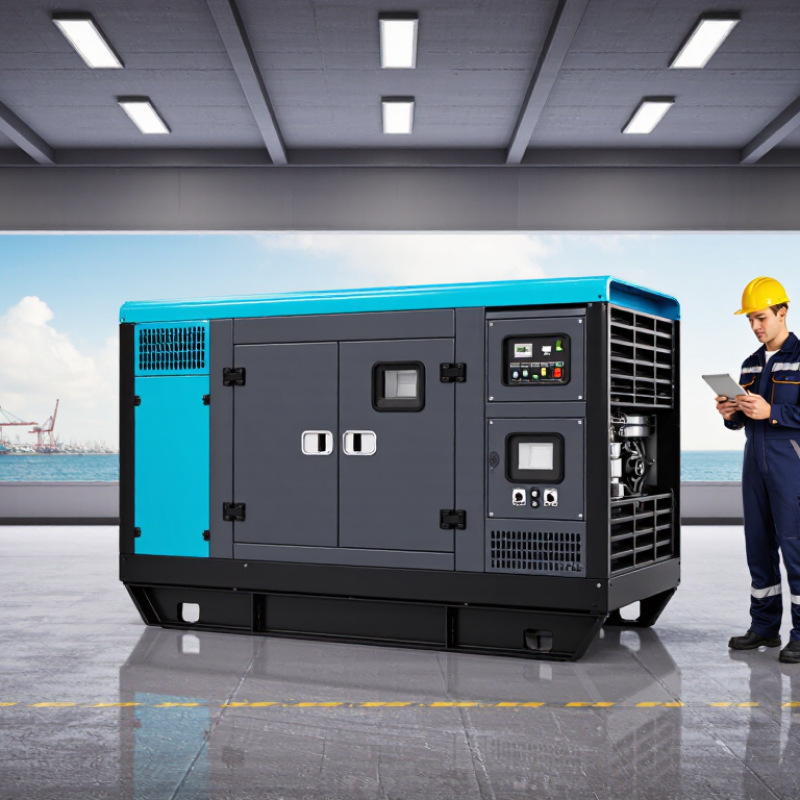
Inside, the diesel engine turns an alternator, which produces electrical power. A control panel displays operating status and may trigger shutdowns when key limits are exceeded. The fuel tank, filters, cooling system, and exhaust assembly also affect dependable operation. Small details count. A blocked radiator grille can raise temperatures, especially in dusty work zones. Installation requirements vary, so buyers should check the equipment documentation and local site conditions.
Common applications include construction sites, farms, remote facilities, and backup power for commercial buildings. Hospitals and data centers may need carefully engineered systems, automatic transfer equipment, and routine load testing. A practical selection starts with the loads that must stay on, their starting currents, and expected run time. Noise, ventilation, fuel access, and maintenance space deserve attention too. These are easy to overlook. Even a well-built generator can disappoint if its capacity or operating environment is misunderstood.
Diesel Generator Capacity by Common Application
Representative capacities illustrate how diesel generator size typically increases with the power demands of different applications. Actual requirements vary by site and load.
Key Criteria for Evaluating Leading Generator Manufacturers
Selecting a diesel generator manufacturer requires more than comparing headline kilowatt ratings. Check whether the rating is for standby or prime operation, then match it to your expected hours and load profile. Ask for fuel-consumption figures at several load levels, such as 50% and 75%, rather than relying on one best-case number. Confirm performance limits for your site’s temperature and altitude. Ask for evidence.
Evaluate build quality through clear specifications for the engine, alternator, cooling system, and control panel. Request recent load-test records and check that they identify the tested unit and operating conditions. Reliable documentation makes comparisons easier. Review warranty coverage, recommended maintenance intervals, and the availability of common replacement parts. A low purchase price can be offset by long parts delays; this is easy to overlook.
Tips: Ask manufacturers to explain service response times for your region and provide a sample maintenance schedule. Compare the same operating conditions across every quotation. Check what commissioning support includes, such as load testing and operator instruction. If an answer is vague, ask again in writing. A polished brochure is useful, but it cannot replace verifiable test data or a practical service plan.
Major Diesel Generator Manufacturers and Their Specializations
Diesel generator manufacturers often specialize by load, duty cycle, and installation environment. Large-engine producers tend to focus on continuous or prime-power systems for mines, factories, and remote grids. Their designs prioritize service access, fuel efficiency under sustained load, and cooling in dusty, hot conditions. Smaller-set manufacturers serve shops, clinics, and construction crews that need transportable backup. A compact canopy and simple control panel can matter more than peak output. It is a practical distinction.
Other manufacturers concentrate on rental fleets, marine power, or telecom backup. Rental-focused designs often use sound-attenuated enclosures, forklift pockets, and controls suited to frequent relocation. Marine specialists must address vibration, salt exposure, and limited engine-room space. Telecom sets are built for long standby periods and reliable automatic starting. The IEA’s Electricity 2024 report estimated data-centre electricity use at about 460 TWh in 2022, potentially exceeding 1,000 TWh by 2026. That growth raises demand for dependable standby systems, though it does not make every diesel set suitable for every site. A nameplate rating can flatter performance; buyers should compare load profiles, service intervals, and local operating conditions. The overlooked detail is often maintenance access.
Comparing Product Performance, Support, and Global Availability
A useful comparison starts with the work a diesel generator must perform. Check rated and standby output separately, then assess how the unit handles sudden load changes. A pump starting or a compressor cycling can demand more than steady operation suggests. Fuel consumption figures also need context: ask which load level, ambient temperature, and test conditions produced them. Small details matter. Cooling capacity, noise readings, and access to filters can affect daily use as much as headline power ratings.
Support quality becomes clearer when questions get specific. Ask how quickly technical staff respond, whether troubleshooting is available in your time zone, and which parts are stocked locally. A written service plan is more useful than a broad promise of support. Confirm what routine maintenance requires, including filter intervals and access to trained technicians. These details may be less polished than the brochure. They are often more revealing.
Global availability is not simply a shipping question. Compare delivery estimates, regional parts access, documentation, and commissioning assistance for the intended site. Verify that quoted performance accounts for local heat, altitude, and operating patterns. Not always. Even careful comparisons leave uncertainty; a site assessment and reference checks can expose assumptions that product sheets miss. Keep the same questions for every manufacturer, and record answers in comparable terms.
How Buyers Assess Compliance, Logistics, and Total Cost
Top Diesel Fuel Generator Manufacturers for Global Buyers
A generator’s purchase price tells only part of the story. Buyers should request current technical documents, including emissions data, electrical specifications, and safety information. Requirements can differ by destination and installation type, so confirm them with local authorities or a qualified compliance adviser. Paperwork matters. Check that model numbers match across quotations, certificates, and shipping documents; mismatches can delay clearance.
Logistics affect both timing and cost. Ask for packed dimensions, shipping weight, lifting points, and the expected dispatch window. A unit that fits the vessel may still be difficult to move through a narrow site entrance. Confirm what arrives with the generator, such as batteries, filters, and control panels. Small details add up. I would also ask how parts and technical support are arranged after delivery, rather than assuming they will be nearby.
For total cost, compare fuel use at the load the site actually expects, not only at full output. Include installation, routine servicing, consumables, transport, and likely downtime in the estimate. Warranty terms need careful reading: coverage may depend on maintenance records or operating conditions. A tidy spreadsheet can still miss local labor costs or seasonal fuel changes. Buyers should state their assumptions and ask suppliers to price the same operating scenario, then revisit the figures when site conditions change.