Top Features of Industrial Computers for Global Buyers?
In recent years, the demand for "Промышленный компьютер" has surged among global buyers. Experts agree that understanding the top features of industrial computers is crucial for making informed decisions. As Dr. Alexei Ivanov, a leading specialist in industrial computing, emphasized, “A reliable промышленный компьютер is the backbone of modern manufacturing.”
Industrial computers are designed to withstand harsh environments. They offer robustness, durability, and enhanced processing power. Buyers often seek specific features such as extendable connectivity, rugged cases, and scalability. These elements are critical for meeting the diverse needs of various industries like manufacturing, automation, and logistics.
However, not all промышленный компьютер solutions meet the same standards. Buyers need to be discerning. It’s essential to assess the reliability and vendor expertise. Neglecting these factors can lead to costly mistakes. Industrial computers must not only perform well but also provide longevity in challenging conditions. Thus, understanding these features and their implications is central to making a satisfactory purchase.
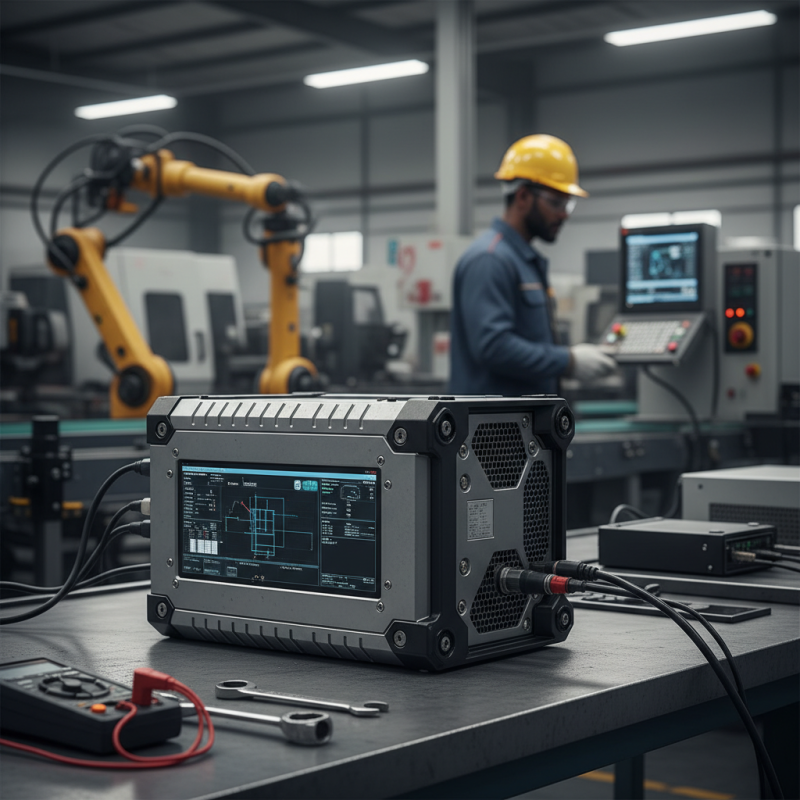
Key Specifications to Consider for Industrial Computers
When selecting industrial computers, several critical specifications should be considered. Processing power is paramount. According to a recent industry report, more than 70% of manufacturers prioritize processors with multi-core capabilities. This ensures efficient multitasking and superior performance in demanding environments. Additionally, memory capacity plays a vital role. Systems with at least 8GB of RAM are recommended for optimal performance in data-intensive applications.
Durability and reliability are also important specifications. Industrial computers often operate in harsh conditions. Data shows that nearly 60% of failures occur due to environmental factors. Thus, factors like IP ratings and temperature tolerance are crucial. A rugged design can prolong the lifespan of the device. Furthermore, connectivity options are essential. With the rise of IoT, having multiple ports and wireless capabilities is necessary for seamless integration in smart factories.
In terms of storage, solid-state drives (SSDs) are gaining momentum. They offer faster read/write speeds compared to traditional hard drives. This is particularly important as businesses handle more data. However, cost can be a limiting factor for some buyers. Industrial computing solutions must strike a balance between performance and budget. The landscape is continually evolving. Buyers should stay updated with trends to make informed decisions.
Durability and Environmental Resistance Features
Durability and environmental resistance are crucial features for industrial computers. These systems often operate in demanding environments, from factories to outdoor locations. They encounter dust, moisture, and extreme temperatures. Therefore, it’s essential to consider materials and designs that can withstand such challenges.
One key aspect is the enclosure. Many industrial computers have rugged casings made from aluminum or stainless steel. These materials not only provide strength but also protect against corrosion. Additionally, components are often sealed to prevent dust and liquids from entering. This helps maintain performance over time, even in less-than-ideal conditions.
Thermal management is another vital feature. Industrial computers need effective cooling solutions to avoid overheating. Many employ fans or heat sinks, while some utilize passive cooling methods. However, these systems can struggle in high-temperature environments. It’s essential to address these limitations by ensuring proper ventilation or selecting computers specifically designed for such conditions. Keeping these considerations in mind will lead to smarter purchasing decisions for industrial applications.
Performance Metrics: Processing Power and Speed
When it comes to industrial computers, processing power and speed are critical. These metrics determine how efficiently systems operate within various applications. Industrial environments often demand reliable performance under pressure, requiring robust processing capabilities. Buyers should prioritize multicore processors to handle multiple tasks simultaneously, ensuring smoother operations.
Speed, measured in clock rates and data throughput, plays an equally vital role. Low latency is essential in real-time applications. Users often struggle with bottlenecks when transferring large volumes of data. This can hinder productivity. It's worth considering how cooling systems can impact overall speed. Overheating can throttle performance, presenting a significant challenge.
Moreover, not all industrial scenarios are the same. A system that excels in one environment may falter in another. Therefore, buyers must evaluate their unique operational needs. Performance metrics should be matched against specific tasks to avoid misalignment. Balancing processing power with speed is not always straightforward. Thorough testing and practical insights can help achieve that balance.
Connectivity Options for Industrial Applications
In the industrial sector, connectivity options are paramount. These options enable seamless data exchange and real-time monitoring. Industrial computers often feature various ports, such as Ethernet, USB, and serial connections. This variety allows for integration with legacy systems and modern devices. Each connection type has its own strengths in speed and reliability.
Wireless connectivity plays a significant role, too. Wi-Fi and Bluetooth are common in many applications. They offer flexibility in device placement. However, wireless connections can sometimes face interference issues. Understanding the environment is key to optimizing performance. Signals may weaken in certain conditions, requiring careful planning.
Choosing the right connectivity option is essential. Compatibility with existing equipment is a must. Future upgrades must also be considered to avoid obsolescence. Industrial environments are dynamic; needs can change quickly. Regular assessments of connectivity choices ensure optimal functionality. This helps organizations stay ahead in a rapidly evolving landscape.
Energy Efficiency and Sustainability in Design
Energy efficiency and sustainability are crucial in the design of industrial computers. These devices play a vital role in various sectors, from manufacturing to logistics. The demand for energy-efficient solutions is growing. Businesses seek to reduce their carbon footprint and energy costs.
Many industrial computers now feature advanced power management systems. These systems help optimize energy usage. Typical power consumption can be significantly lowered through smart design. Heat dissipation technologies are also improving. They ensure devices operate efficiently in demanding environments. However, achieving the perfect balance between performance and energy efficiency remains a challenge.
Sustainable design goes beyond just energy use. It includes materials selection and end-of-life recyclability. The industry faces criticism for waste generated in the production and disposal processes. Some components are not easily recyclable, which raises concerns. Manufacturers need to think critically about their production strategies. Continuous improvement is necessary for a truly sustainable approach. Ensuring longevity and ease of repair can also contribute to reducing overall waste.
Top Features of Industrial Computers for Global Buyers
| Feature | Description | Energy Efficiency Rating | Sustainability Certification |
| Low Power Consumption | Designed to minimize energy use while maintaining performance. | 85% | Energy Star Certified |
| Robust Design | Built to withstand harsh conditions, including temperature extremes and vibration. | N/A | RoHS Compliant |
| Modular Components | Allows for easy upgrades and repairs, prolonging the product life cycle. | N/A | ISO 14001 |
| Advanced Cooling Systems | Efficient thermal management to reduce energy waste. | 92% | LEED Certified |
| Solid-State Drives (SSDs) | Faster data access and less power consumption compared to traditional hard drives. | 80% | Energy Star Certified |