Top 10 Flotation Equipment Solutions for Global Buyers?
In the ever-evolving landscape of mineral processing, selecting the right Flotation Equipment is crucial for success. Buyers face numerous options from various manufacturers. Each piece of equipment offers specific advantages tailored to diverse applications. Understanding these differences is vital for making an informed decision.
Flotation Equipment plays a key role in concentrating valuable minerals and minimizing waste. This equipment operates through a complex interplay of physics and chemistry, which can be daunting for newcomers. Often, the choice hinges on efficiency, cost-effectiveness, and reliability. However, many buyers overlook critical technical specifications that could impact performance.
Moreover, while many companies promote their products, not all deliver consistent results. It's important to assess real-world case studies and expert reviews before proceeding. This process requires diligent research and, at times, outside consultation. A thorough exploration of options ensures you invest wisely, ultimately enhancing productivity and profitability.
Overview of Flotation Equipment in Global Markets
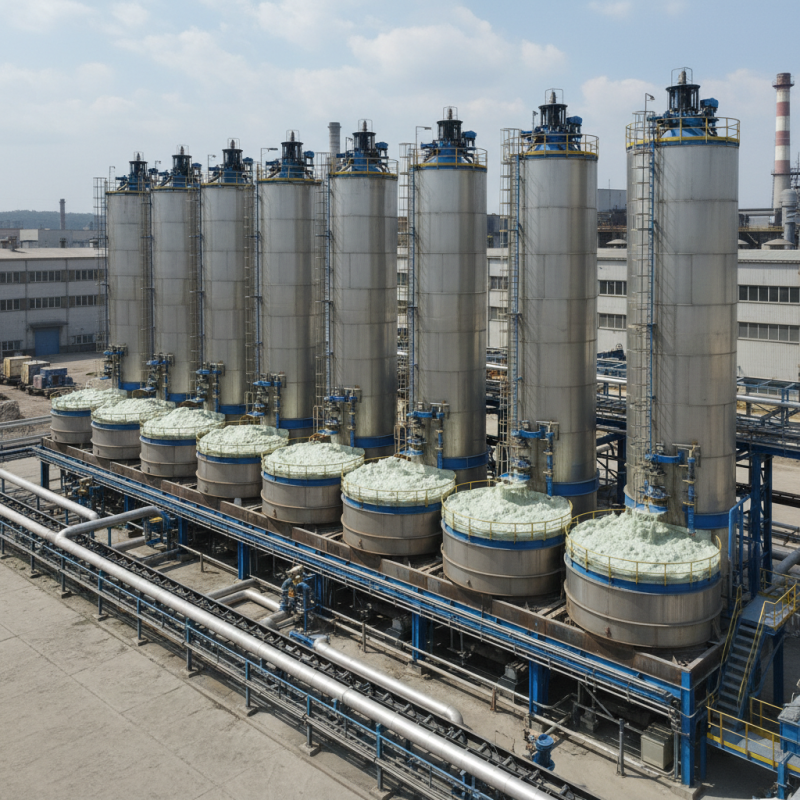
Flotation equipment plays a crucial role in mineral processing worldwide. The global market is evolving rapidly, driven by increasing demand for efficient separation technologies. According to industry reports, the flotation equipment market is expected to grow at a CAGR of 5.7% from 2021 to 2026. This growth reflects rising mining activities and advancements in technology.
Different regions exhibit distinctive trends in flotation equipment usage. For instance, Asia-Pacific leads the market, with China accounting for a major share. The increasing mineral exploration activities in countries like Australia and India are pivotal. However, challenges remain. Many companies grapple with equipment efficiency and maintenance costs, which can erode profit margins.
Emerging technologies, such as automation and machine learning, are gaining traction. These innovations promise to enhance the accuracy and efficiency of flotation processes. Incorporating these advancements can significantly mitigate some operational challenges. Still, it requires investment and training, which can be daunting for smaller players in the market. Adjustments to fluctuating regulatory frameworks also add complexity. Thus, organizations must remain flexible and responsive to thrive in this dynamic landscape.
Key Types of Flotation Equipment and Their Applications
Flotation equipment plays a vital role in various industries, particularly mining and wastewater treatment. Different types of flotation systems cater to specific needs. Common options include mechanical flotation cells and column flotation cells. Mechanical cells use impellers to create turbulence, enhancing the separation process. These are simple yet effective for many operations.
Column flotation cells offer higher efficiency in separating fine particles. They provide better control over process variables. This type is suitable for mineral processing but can require significant adjustments. Understanding each type's strengths and weaknesses is essential for making informed decisions.
Consider the operational context carefully. Some flotation equipment may not fit specific project goals. This mismatch can lead to underperformance. Technical expertise and proper equipment selection can avoid such challenges. Integrating flotation technologies demands continuous assessment and adaptation to achieve desired efficiency. Optimization often reveals areas for improvement in operations and design.
Factors to Consider When Selecting Flotation Equipment
When selecting flotation equipment, several key factors come into play. Understanding the operational requirements of the specific mineral or material is crucial. Different applications require different types of flotation cells. The choice can significantly impact recovery rates and overall efficiency.
Another essential aspect is the equipment's scalability. Some operations may start small but plan for future expansion. Equipment that can adapt to increased production without major overhauls is valuable. Assessing the maintenance and operational costs is also vital. Over time, these expenses can outweigh initial purchasing costs.
Expert insights matter. Working with professionals helps in making informed decisions. They can offer advice tailored to individual needs and industry trends. However, relying solely on expert opinions may limit a fresh perspective. It’s worth conducting independent research too. This balance between expertise and personal investigation can enhance the selection process.
Leading Manufacturers of Flotation Equipment Worldwide
Flotation equipment plays a crucial role in mining and mineral processing. It enables efficient separation of valuable minerals from unwanted materials. Many manufacturers offer diverse solutions tailored to various industries. These solutions are essential for enhancing recovery rates and optimizing production processes.
Leading manufacturers worldwide emphasize innovation. They focus on advanced designs and robust performance. Companies invest in research and development. This commitment ensures they meet evolving industry demands. However, not every solution is universally applicable. Some regions may require specific adaptations, reflecting local conditions and resources.
Despite significant advances, challenges remain. Issues such as maintenance and operational efficiency can impact overall productivity. Buyers must evaluate their needs carefully. A well-informed decision requires understanding both the technology and the environment. Engaging with credible industry experts can offer valuable insights. This approach minimizes risks and enhances project outcomes.
Trends and Innovations in Flotation Technology
Flotation technology is evolving rapidly, driven by the need for efficiency and sustainability. Recent trends show a shift towards advanced materials and digital innovations. Newer flotation cells are designed to extract minerals more effectively, maximizing yield while minimizing energy consumption. Incorporating sensors and real-time data analytics enhances control over the flotation process.
When considering flotation equipment, focus on flow rates and recovery rates. Efficiency is measured not just in outputs but in operational costs. Look for technologies that offer adaptability in different environments. This ensures that the equipment meets specific mineral processing requirements.
It’s essential to keep an eye on industry trends. Innovations in automation and AI are influencing flotation techniques. These advancements may require skilled personnel to operate them efficiently, highlighting a need for ongoing training. Assess the compatibility of new technology with existing systems to avoid costly upgrades. Regular maintenance is crucial to prevent setbacks and optimize performance.