
1-208-754-4884

What Are the Top Foam Filled Mooring Buoy Types in 2026?

In 2026, selecting a Foam-Filled Mooring Buoy is about matching its shape and fittings to real working conditions. A buoy beside a sheltered dock faces different demands from one exposed to passing vessels, changing tides, and rougher water. The best choice is not always the largest or most heavily equipped. It is the one that suits the mooring layout, line loads, water depth, and maintenance plan.

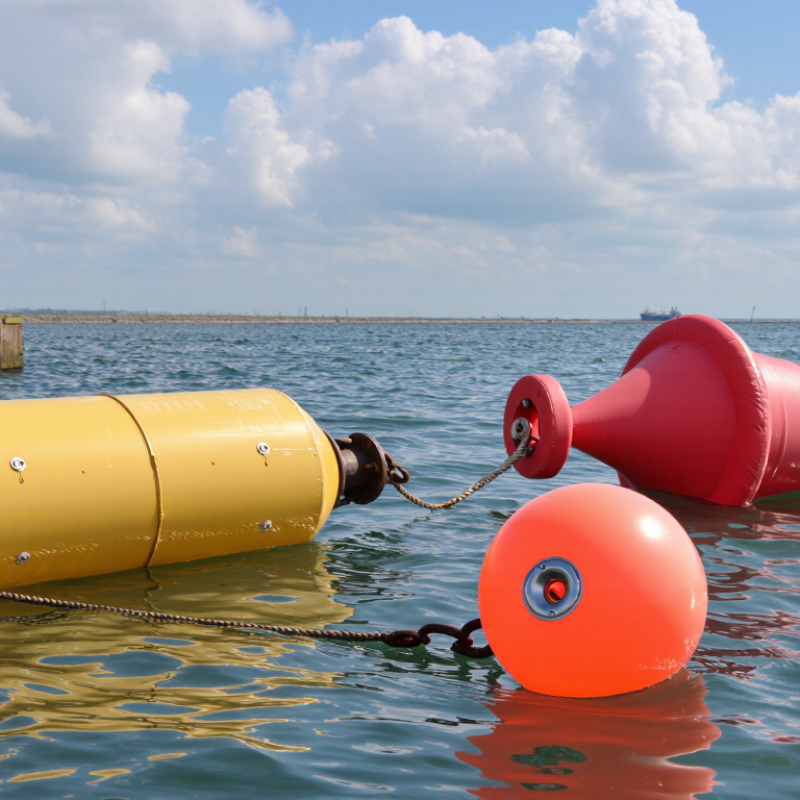
This guide compares common types, including cylindrical Mooring Buoys, pick-up buoys, and larger offshore or heavy-duty designs. Each serves a different purpose. A pick-up buoy helps crews locate and handle a mooring line; a cylindrical model can provide a clear, stable float for many routine applications. Details matter: inspect the lifting eyes, attachment points, outer shell, and stated buoyancy. Also check whether the hardware suits the rope or chain used on site. Small details matter.

Foam filling can help a buoy retain flotation if its shell is damaged, but it does not make every design suitable for every load or sea state. That distinction deserves attention. Product descriptions may sound similar, while construction, fittings, and intended duty vary. We will look at those differences and the practical trade-offs buyers should weigh. The comparisons are a starting point, not a substitute for checking manufacturer specifications and site conditions. I would be cautious about any “top” list that ignores those factors.
What Are the Top Foam Filled Mooring Buoy Types in 2026?

How Foam-Filled Mooring Buoys Work

A foam-filled mooring buoy works by displacing water. Its sealed outer shell gives the buoy shape, while closed-cell foam helps preserve flotation if the shell is punctured. The mooring eye transfers tension from the chain or rope into the buoy body. This connection deserves careful inspection; a strong float cannot compensate for a damaged fitting.

UNESCO/IOC’s TEOS-10 manual puts typical seawater density near 1,025 kg/m³, varying with temperature and salinity. So one cubic metre of submerged volume provides roughly 1,025 kilograms-force of gross buoyancy before subtracting the buoy’s own weight and attached load. That estimate is clean. The sea is not. Waves, current, and changing immersion add forces; the USACE Coastal Engineering Manual describes these environmental loads as key design considerations.

Foam-filled types vary by shape, volume, foam density, shell material, and mooring-point reinforcement. A compact marker buoy may suit lighter line loads, while a larger body can provide greater reserve buoyancy and visibility. Yet bigger is not automatically safer: excess exposed area can increase wave and current forces. Operators should check the manufacturer’s load and immersion data, then inspect for cracks, foam exposure, and movement at the mooring eye. A small defect can grow quietly.

Which Main Foam-Filled Mooring Buoy Types Are Used in 2026?

In 2026, foam-filled mooring buoys mainly fall into four working types: general mooring, pick-up, marker, and specialist offshore buoys. General mooring buoys provide a visible surface point above an anchor or chain. Pick-up buoys help crews recover a mooring line, often using a short pendant that can be grabbed from a deck. Marker buoys identify channels, gear, or submerged equipment. Specialist models support hose connections, aquaculture lines, or offshore anchor systems.

Not interchangeable.

Construction varies, but many use a tough molded outer shell around closed-cell foam. That foam helps retain buoyancy after surface damage. Shape matters, too: broad, low-profile bodies resist rolling, while taller forms remain easier to spot in chop.

Small, but critical.

UNCTAD’s Review of Maritime Transport 2024 reports 12.3 billion tonnes of seaborne trade in 2023, up 2.4 percent. That scale underscores busy waters, but it does not set buoy size. Designers still need site-specific wave, tide, line-load, and abrasion data. One detail is easy to underestimate: a buoy can float well yet fail as a mooring point if its fittings or chain are mismatched. PIANC guidance on port and marine infrastructure likewise emphasizes checking operational conditions, not choosing equipment by appearance alone.

How Do Offshore, Aquaculture, and Utility Buoys Differ?

What Are the Top Foam Filled Mooring Buoy Types in 2026?
How Do Offshore, Aquaculture, and Utility Buoys Differ?

Foam-filled mooring buoys use a tough outer shell and buoyant foam core. The core can help maintain flotation if the shell is damaged, but it does not make a buoy indestructible. Offshore models are generally larger, with reinforced lifting points and fittings suited to demanding mooring loads. Their size and freeboard should match local waves, current, line forces, and vessel operations. Bigger is not automatically safer.

Aquaculture buoys are often compact and arranged in groups around cages or nets. Multiple attachment points can help position equipment, while smooth surfaces may make routine cleaning easier. Utility buoys serve varied tasks, such as carrying sensors, hoses, or service lines. Their layout depends on the equipment and whether crews need regular access. A specification can look complete on paper and still overlook handling conditions at the site.

Tips: Check buoyancy, working load, attachment hardware, visibility, and inspection access before choosing a type. Ask how the buoy behaves when fouling builds up or a line pulls at an angle. Small details matter. The right choice depends on actual loads, not just the label.

What Mooring Loads and Environments Suit Each Buoy Type?

What Are the Top Foam Filled Mooring Buoy Types in 2026?

Cylindrical foam-filled buoys suit many fixed moorings in sheltered bays and moderate currents. Their broad body provides working buoyancy for a chain or pendant, while the foam core helps limit water entry after shell damage. For larger vessels or exposed berths, a higher-capacity, high-freeboard buoy may be more appropriate. It can support heavier mooring hardware, but waves and wind still drive loads through the whole system. Shape alone is not a load rating.

Compact pick-up buoys work well for lighter lines, temporary connections, and calm-water retrieval. They are easier to handle, yet may sit too low when fitted with oversized hardware or pulled by a heavy line. In tidal channels or choppy anchorages, check reserve buoyancy, freeboard, attachment strength, and abrasion at the line contact point. Small details matter. A buoy can look sound and still be mismatched to its mooring.

Tips: Match the buoy to the vessel, chain, water depth, and local wave exposure. Inspect the eye, shell, and line regularly. If actual loads are uncertain, have a qualified mooring professional assess the complete setup; field conditions can surprise even experienced crews.

Which Materials and Design Features Affect Buoy Performance?

Foam-filled mooring buoys often combine a tough outer shell with a resilient core. Rotationally molded polyethylene can resist knocks, abrasion, and sun exposure, while closed-cell polyethylene or polyurethane foam helps maintain flotation if the shell is damaged. Foam density matters: a denser core may improve strength, but adds weight and can affect handling. No material is maintenance-free.

Shape also changes performance. Cylindrical and pick-up buoys suit different line layouts, while broad bodies can provide more visible freeboard. Reinforced attachment points, sound internal load paths, and corrosion-resistant hardware help manage repeated pull from chains and ropes. Small details matter. A buoy that looks generous at the dock may ride low under a heavy chain and rough chop. Match buoy size and rated load to the mooring arrangement, local exposure, and expected wear. Then inspect the shell, fittings, and freeboard regularly; small cracks or loose hardware can be easy to miss.