Top 10 Gate Valve Tips for Global Buyers
In the world of industrial piping systems, the Gate Valve plays a vital role. Experts like Dr. Emily Carter, a leading authority in valve technology, emphasize its importance. "A well-chosen gate valve can significantly enhance system efficiency," she notes.
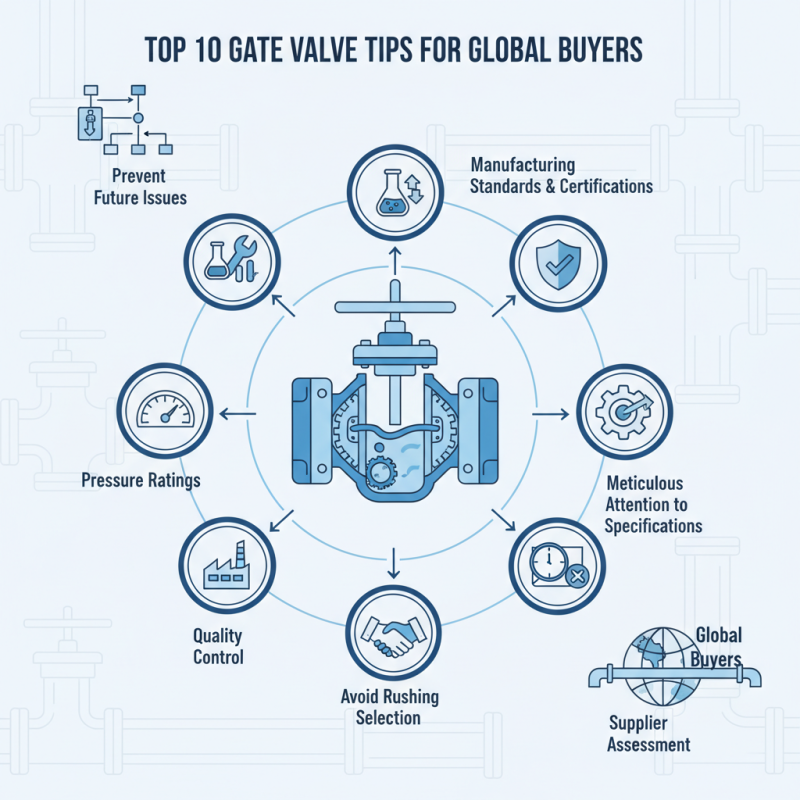
As global buyers navigate the complexities of selecting gate valves, understanding vital factors is crucial. Selecting the right gate valve can prevent future issues. Material compatibility and pressure ratings must be thoroughly considered. Additionally, buyers should assess the manufacturing standards and certifications of their suppliers.
While some may overlook these details, doing so can lead to operational failures. Reflecting on past experiences, the industry knows that meticulous attention to specifications is vital. Rushing the selection process often invites costly mistakes. Experienced buyers recognize that a gate valve is not just a component; it’s the backbone of fluid control in systems worldwide.
Understanding Gate Valves: Key Features and Functions
Gate valves are vital for controlling fluid flow in various industries. These valves offer significant advantages due to their design, which permits full flow when fully open. A notable study by the Global Valve Market Report highlights that gate valves account for approximately 30% of global valve sales, emphasizing their popularity and utility.
Key features of gate valves include their ability to minimize pressure loss and handle high-pressure applications. They are typically used in water, oil, and gas sectors. Their robust construction ensures a long service life, often exceeding 10 years when maintained well. However, they can be susceptible to wear over time, leading to potential leaks if not regularly serviced.
Tip: Always assess the valve size for your application. Choosing the right size can prevent flow issues.
Gate valves also come with distinct operating functions, such as rising and non-rising stems. Rising stems are visible, indicating whether the valve is open or closed. Despite their many benefits, they may not be ideal for throttling applications due to limited flow control.
Tip: Consider installation accessibility. Regular inspections are key to maintaining functionality.
Ultimately, understanding the nuances of gate valve features is crucial for optimizing performance and prolonging service life.
Top 10 Gate Valve Tips for Global Buyers - Understanding Gate Valves: Key Features and Functions
| Tip Number | Key Feature | Functionality | Material Type | Common Applications |
| 1 | Wedge Shape | Effective sealing | Bronze | Oil & Gas |
| 2 | Low Torque Operation | Easy handling | Stainless Steel | Water Supply |
| 3 | Full Port Design | Minimum pressure drop | Ductile Iron | Chemical Processing |
| 4 | Flexible Disc | Resilient sealing | PVC | Swimming Pools |
| 5 | Manual or Electric Actuation | Versatility in operation | Carbon Steel | Power Plants |
| 6 | Non-Rising Stem | Space-saving design | Brass | HVAC Systems |
| 7 | Bona Fide Seal | Leak prevention | Alloy Steel | Pulp and Paper |
| 8 | Anti-Corrosion Coating | Durability | Epoxy Resin | Marine Applications |
| 9 | Fire Safe Tests | Safety standards | Chrome Molybdenum | Refineries |
| 10 | Standards Compliance | Quality assurance | Various Materials | General Industrial |
Factors to Consider When Selecting a Gate Valve for Your Needs
When selecting a gate valve, several critical factors influence the decision. The material of the valve is essential. Common materials include brass, stainless steel, and cast iron. Each material offers distinct advantages in terms of durability and resistance to corrosion. According to industry reports, stainless steel valves are increasingly preferred for their longevity and reliability in harsh conditions.
Another vital consideration is the valve's pressure rating. Gate valves must handle the specific pressures within the system. The American Society of Mechanical Engineers (ASME) defines specific pressure ratings for various applications. Ensuring the valve meets these standards can prevent significant failures.
Tip: Always check the manufacturer's specifications to confirm compatibility with your system's requirements.
Additionally, the valve's size affects flow efficiency. Oversized valves lead to turbulence, while undersized ones restrict flow. A well-sized valve can enhance system performance significantly. Data from the International Journal of Fluid Mechanics highlights that optimizing valve size increases overall energy efficiency by up to 10%.
Tip: Use fluid dynamics simulations to evaluate flow performance before making a purchase decision.
Buyer feedback also plays a crucial role in choosing the right gate valve. Reading reviews and industry studies provides insights into long-term reliability and maintenance needs. Understanding frequent issues reported by users helps in making an informed choice.
Tip: Engage with industry forums to gather varied experiences regarding valve performance.
Evaluating Quality: How to Assess Gate Valve Manufacturer Standards
When assessing the quality of gate valve manufacturers, buyers should look closely at various industry standards. One vital framework is the ISO 9001 certification, which denotes a commitment to quality management systems. This certification ensures consistent product quality and reliability. A report by the World Trade Organization indicates that 70% of buyers prioritize suppliers with robust quality assurance processes in place.
Additionally, buyers should consider the materials used in gate valve production. Corrosion-resistant materials significantly enhance the lifespan and effectiveness of the valves. A study from the American Society of Mechanical Engineers indicates that up to 25% of valve failures can be attributed to substandard materials. This highlights the importance of transparency in sourcing and manufacturing processes.
In reviewing manufacturers, it’s also essential to examine product testing protocols. Some manufacturers conduct extensive testing, while others may shortcut this phase for cost-saving. According to a report by the Valve Manufacturers Association, up to 30% of gate valves on the market fail to meet safety and performance standards. Buyers must demand detailed testing results to ensure quality and compliance.
Tips for Effective Gate Valve Installation and Maintenance
Gate valves are crucial in controlling fluid flow. Proper installation and maintenance ensure their longevity and performance. According to the American National Standards Institute (ANSI), incorrect installation can lead to valve failure in 30% of cases. It’s important to align the valve correctly with the pipe to avoid undue stress. Use a level or measuring tool to confirm that the valve is square to the pipeline.
Routine maintenance is vital for gate valves. Data from the Hydraulic Institute suggests that neglecting regular checks can reduce a valve’s lifespan by up to 40%. Inspect the seals and packing annually. Look for signs of wear or leaks. Cleaning the valve’s exterior is also essential to prevent corrosion. Sometimes, operators overlook minor drips, but they can lead to significant issues later.
Training is often underestimated. Many professionals lack skills in valve installation and maintenance. Industry reports indicate that training programs can decrease errors by as much as 25%. Ensuring your team is well-versed in valve technology can enhance reliability. Recognizing these nuances can make a substantial difference in the operational efficiency of gate valves.
Navigating Global Markets: Sourcing Gate Valves from Reliable Suppliers
Sourcing gate valves in global markets requires careful navigation. Reliable suppliers are vital for quality and compliance. According to the Global Gate Valve Market Report, the industry is projected to reach USD 12.5 billion by 2025, growing at a CAGR of 4.3%. Understanding market dynamics is essential for buyers.
When choosing suppliers, look for strong certifications and industry experience. Many manufacturers obtain ISO 9001 certification for quality management. Additionally, regional suppliers often have better knowledge of local standards, yet their reliability varies. Some smaller suppliers may promise low prices but lack adequate warranties.
Buyers should conduct thorough background checks. Investigate potential suppliers through online reviews and industry forums. Engaging with their previous clients can provide insight into their reliability. It’s not uncommon for businesses to overlook these critical steps, leading to costly mistakes later on. Focus on building relationships with trustworthy suppliers. Doing so can enhance long-term success in the gate valve market.