
1-208-754-4884

Top 10 Hydraulic Proportional Valve Benefits You Should Know?

Hydraulic Proportional Valves have revolutionized industries by enhancing control and efficiency. According to a report by Research and Markets, the global hydraulic valves market is expected to reach $69.6 billion by 2025, driven by innovations in hydraulic systems. Experts emphasize that the performance of these valves is pivotal for modern machinery.

John Smith, a hydraulic systems specialist, states, "The precision of Hydraulic Proportional Valves can greatly influence operational productivity." This is evident as industries strive for higher accuracy and lower energy consumption. While these valves offer numerous benefits, there remains a learning curve in their implementation. Ensuring proper installation and calibration is crucial but often overlooked.

Hydraulic Proportional Valves not only enable smoother operations but also help in reducing wear and tear on machinery. This leads to longer equipment life and fewer maintenance costs. However, improper use can result in inefficiencies and higher failure rates. Careful analysis and expert guidance are essential for maximizing their potential.
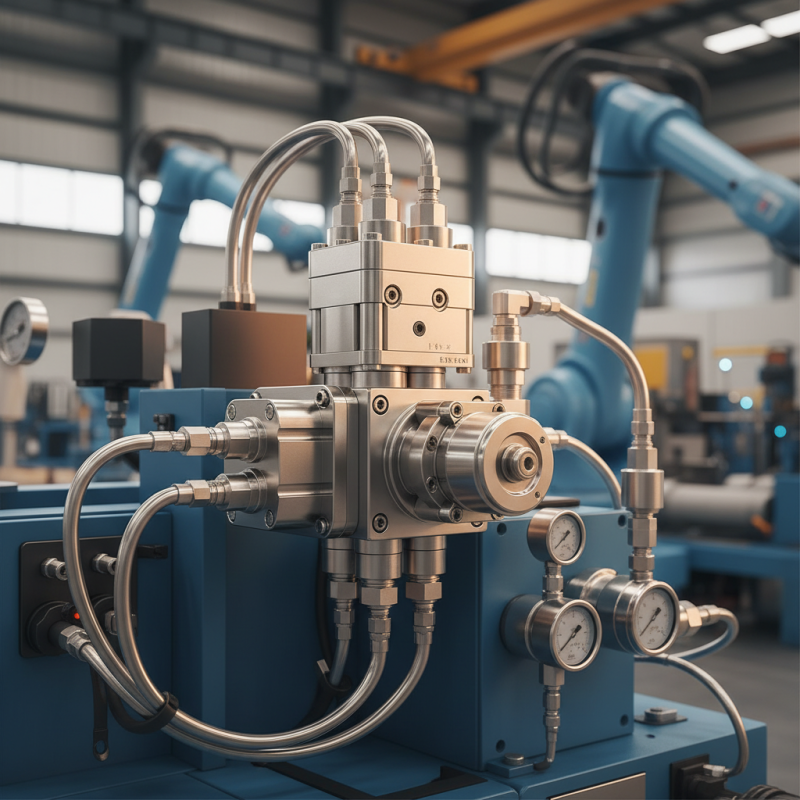
Top 10 Hydraulic Proportional Valve Benefits You Should Know?

Understanding Hydraulic Proportional Valves and Their Functionality

Hydraulic proportional valves play a crucial role in fluid control systems. They adjust the flow and pressure in hydraulic circuits, ensuring smooth operation. These valves respond to electric signals, enabling precise control of the hydraulic actuators. This feature allows for better handling of machinery in various applications.

One key benefit is their ability to deliver proportional flow rates. Instead of simply turning on or off, these valves modulate flow based on input. This results in finer movements of machinery and enhanced performance. For example, in construction equipment, accurate control improves safety and efficiency.

However, there can be challenges. Installing and calibrating proportional valves requires expertise. If improperly set, they might cause system inefficiencies. Additionally, their complexity can lead to higher maintenance needs. It's essential to balance the benefits with potential drawbacks.

Top 10 Benefits of Hydraulic Proportional Valves

Key Benefit 1: Enhanced Control Over Fluid Flow and Pressure

Hydraulic proportional valves offer significant benefits, particularly in managing fluid flow and pressure. Enhanced control over these variables is a key advantage. This control allows operators to fine-tune machinery for improved efficiency. Systems can respond much more accurately to changes in demand. Fluid flow can be adjusted smoothly, avoiding sudden spikes that can cause damage. Implementing proportional valves leads to reduced wear and tear on components.

Another noteworthy aspect is the ability to maintain consistent pressure. A stable pressure ensures that machinery operates smoothly, which is crucial in many applications. For instance, in manufacturing, it can enhance product quality. However, achieving this level of control requires careful calibration. If not set correctly, it can lead to unpredictable results. Operators need to be vigilant during setup and testing phases.

Flexibility in operation is another perk. With proportional control, various applications can be addressed efficiently. Hydraulic systems can adapt quickly based on operational needs. This adaptability can lead to better resource management and lower energy consumption. However, it also brings challenges, as it demands skilled operators who can handle complex adjustments. Balancing simplicity and complexity is essential for success in utilizing these valves.

Key Benefit 2: Improved System Responsiveness and Precision

Hydraulic proportional valves significantly enhance system responsiveness and precision. They enable the machine to react swiftly to changes. This capability is crucial in industries requiring accurate movement. For instance, in robotics, these valves can adjust position with remarkable speed.

The improvement in responsiveness means less time wasted. Operators can achieve better outcomes with higher precision. However, implementing these valves can be a challenge. Proper tuning is needed to align with system pressures. If not calibrated correctly, issues can arise. For instance, excessive lag might occur, negating the benefits.

Moreover, while proportional valves increase control, they also require careful monitoring. Unpredictable variations in flow can lead to inefficiencies. Operators should regularly check the system's performance. Sometimes, the needed adjustments can be overlooked, causing frustration. Addressing these problems promptly is essential for maintaining optimal operation.

Top 10 Hydraulic Proportional Valve Benefits You Should Know - Key Benefit 2: Improved System Responsiveness and Precision

Benefit Description Impact on Performance Applications
Increased Precision Provides more accurate flow control, leading to better performance. Enhanced control results in improved product quality. Manufacturing, Robotics
Faster Response Times Offers quicker adjustments to system demands. Reduces cycle times, increasing overall efficiency. Automotive, Aerospace
Energy Efficiency Optimizes power usage by regulating flow effectively. Lowers operational costs and environmental impact. Construction, Agriculture
Reduced Mechanical Wear Minimizes stress on components due to smoother operation. Enhances equipment lifespan, reducing replacement costs. Mining, Material Handling
Improved Safety Incorporates safety features for better leak detection. Ensures reliable system operation under various conditions. Logistics, Heavy Equipment
Scalability Easily adapts to system upgrades and expansions. Facilitates growth without major system overhauls. Industrial Automation, Process Control
Simplified Control Offers intuitive control interfaces for operators. Reduces operator training time and errors. Food Processing, Petrochemical
Customizability Can be tailored to specific application needs. Ensures optimal functionality for diverse operations. Pharmaceutical, Energy
Data Connectivity Enables real-time monitoring and diagnostics. Enhances predictive maintenance efforts. Smart Factories, IoT Applications

Key Benefit 3: Increased Efficiency and Energy Savings

Hydraulic proportional valves offer significant advantages, especially in terms of efficiency and energy savings. When machinery operates, energy consumption is a major concern. By using these valves, users can adjust fluid flow with precision. This leads to optimal power usage, reducing waste. Imagine a construction site where heavy machinery operates smoothly without overexerting. Every drop of fuel counts, and this technology makes sure it is used wisely.

Incorporating proportional valves can lead to smarter energy management. They react quickly to system demands, adjusting accordingly. This means that less power is required at low workloads. Workers appreciate the reduced environmental impact. However, not all systems may be compatible, and integration can come with challenges. It’s important to assess current setups thoroughly. Sometimes, a higher initial investment may deter operators, but the long-term gains can be significant, proving that the initial hesitation may need reconsidering.

Key Benefit 4: Versatile Applications Across Various Industries

Hydraulic proportional valves offer diverse applications across various industries. Their ability to control flow and pressure precisely is crucial. In the manufacturing sector, they enhance efficiency in robotic systems. Data indicates that automation can increase productivity by up to 30%. This significance makes hydraulic valves indispensable in automation tasks.


In agriculture, these valves regulate the operation of machinery like tractors and harvesters. They help in optimizing fuel consumption and improving yield. A report from the agricultural sector suggests that precision farming can lead to a 20% increase in crop productivity. This is a clear indication of how vital hydraulic systems are.


However, versatility has its drawbacks. Different industries may require unique specifications, leading to complexity in design. Achieving compatibility can be challenging, leaving room for inefficiencies. Additionally, as industries evolve, the demand for adaptability grows. It raises concerns whether current systems can keep up with rapid technological changes. Adaptation is necessary but often comes at a cost.