Top 10 Metal Tools Box for Your Home and Workshop Needs?
When considering essential tools for your home or workshop, a high-quality Metal Tools Box is indispensable. These boxes provide both organization and convenience. They keep your tools secure and easily accessible. With a variety of designs available, the right choice can enhance your workflow and efficiency.
Each Metal Tools Box offers unique features. Some are compact and portable, perfect for home repairs. Others are larger, suited for workshop needs. The materials used in construction often determine their durability. A sturdy box can withstand wear and tear, while a lightweight model allows for easy transport.
Choosing the right Metal Tools Box requires thoughtful consideration. Think about what tools you need to store. Also, consider where you will use it most. Each decision shapes your overall experience. Not every model will meet your expectations, and that's okay. A bit of research can lead you to the perfect option that balances functionality and durability.
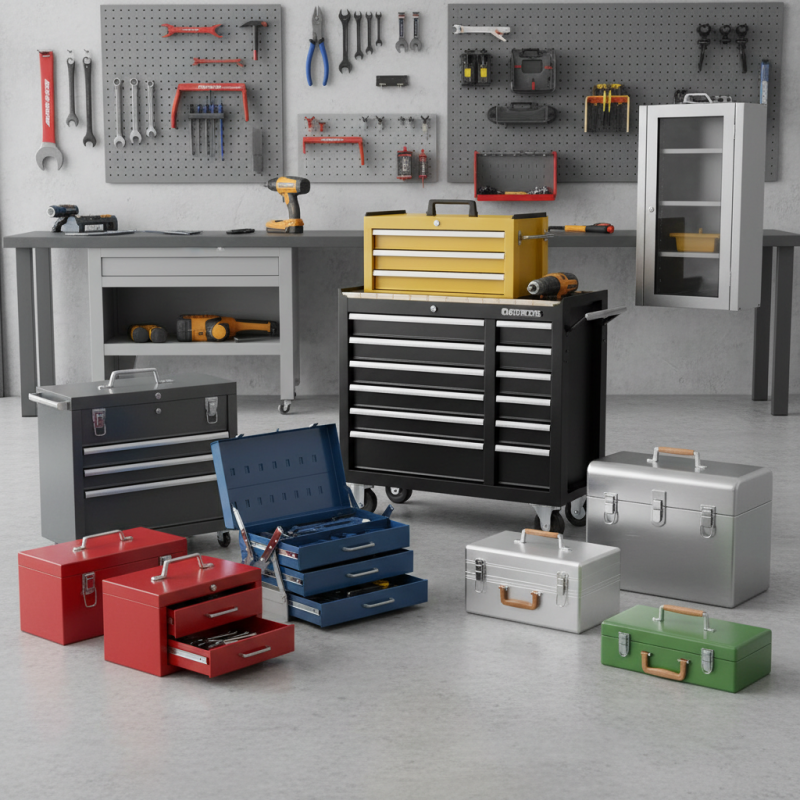
Top Features to Look for in Metal Tool Boxes
When searching for the ideal metal tool box, key features make all the difference. Durability is a top priority. A sturdy metal construction ensures longevity. You want a box that can withstand wear and tear. Look for a rust-resistant coating. This feature helps protect your investment from moisture and corrosion.
Organization is another essential aspect. Consider boxes with multiple compartments. Just one large space can turn into chaos quickly. When tools are organized, you save time and reduce frustration. Some boxes offer removable trays, which can be very useful. Portable options with sturdy handles enhance convenience for transporting tools from one place to another.
Security is often overlooked. A reliable locking mechanism can provide peace of mind. Tools are valuable, and unwanted access can be a concern. In addition, weight should not be ignored. A box that’s too heavy can be burdensome. A well-balanced tool box combines strength and portability, making it an excellent addition to any workshop.
Comparison of Different Metal Tool Box Materials
When choosing a metal tool box, the material is crucial. Steel and aluminum are popular choices. Steel provides strength and durability. It can withstand rough handling and heavy loads. However, steel boxes can be heavy. This may not suit everyone’s needs, especially for frequent transport.
Aluminum, on the other hand, is lightweight and easy to carry. It resists rust and corrosion, making it ideal for outdoor use. Yet, aluminum may be less sturdy than steel. It can dent and bend under heavy weight. This might raise questions about its longevity in demanding situations.
Some tool boxes combine materials for added benefits. Composite materials can offer both strength and weight savings. However, they may not be as common. Users might find these options more expensive. It’s essential to weigh costs versus benefits carefully. Rethinking your needs can guide your decision-making. Consider how often and where you will use the tool box.
Essential Tools to Keep in Your Metal Tool Box
A well-equipped metal tool box is crucial for any home or workshop. Essential tools serve various purposes, aiding in tasks from repairs to creative projects. According to industry reports, having the right tools can increase productivity by 30%.
Key tools include wrenches, pliers, and screwdrivers. These items tackle common jobs effectively. A durable combination of metric and standard wrenches can make a significant difference. Ensure your toolbox includes multiple sizes for versatility. Pliers, with their gripping and cutting capabilities, are equally essential.
Tips: Regularly inspect your tools for wear. Sharp blades and rust can compromise effectiveness. Replace damaged items promptly to maintain performance. Furthermore, proper organization of tools will save time and reduce frustration during use. Keep similar items together; it fosters efficiency and clarity. Embrace the learning curve of mastering each tool to maximize their utility in your projects.
Organizational Tips for Your Metal Tool Box Setup
When setting up your metal tool box, organization is key. Start by categorizing your tools. Group similar items together, such as wrenches, screwdrivers, and pliers. This makes it easier to find what you need. Use dividers or small containers to keep each group neat. Labeling compartments can also save you time when searching for a specific tool.
Another useful tip is to consider the size and weight of your tools. Place heavier tools at the bottom of the box to prevent it from toppling over. Ensure that frequently used tools are easily accessible. This means keeping them near the top or in a dedicated section of the box. Don't forget to evaluate your setup periodically. You may need to rearrange tools as your collection grows or as you change projects.
Lastly, keep your workspace tidy. A clean area around your tool box can prevent accidents. Moreover, it helps maintain your focus. Set aside time to organize your tools regularly. Reflection is essential here; think about what works and what doesn’t. By continuously improving your setup, you’ll create a more efficient and enjoyable working environment.
Top 10 Metal Tools in Your Home and Workshop
This bar chart displays the popularity of various metal tools commonly used in homes and workshops, based on user preferences and utility.
Maintenance and Care Tips for Your Metal Tool Box
Maintaining your metal tool box is crucial for its longevity and functionality. Start by regularly inspecting for rust or corrosion. Even a small amount of rust can spread quickly, compromising the integrity of the box. Use a wire brush to scrub away any rust spots. After cleaning, apply a thin layer of oil to protect the surface. This simple step helps prevent future corrosion.
Keep your tool box organized. A cluttered box can lead to scratches and dents. Use dividers or small containers to categorize your tools. This helps you find what you need quickly and minimizes clashing tools. It's easy to overlook this, but a tidy box makes a significant difference.
Finally, consider the environment where you store your tool box. Extreme temperatures affect metal. Store it in a dry place to avoid moisture damage. If condensation is a concern, use silica gel packs inside the box. These small details can be easily forgotten but play a vital role in your tool box’s health. Regular care can ensure your tools last longer, enhancing your home and workshop productivity.