Top 10 Mixing Tanks in China for Global Buyers Guide?
In the world of manufacturing, the importance of a reliable Mixing Tank cannot be overstated. A mixing tank serves as a critical component in various industries, including pharmaceuticals, food processing, and chemicals. It ensures that materials blend uniformly, leading to high-quality end products.
China has emerged as a leading manufacturer of mixing tanks, catering to global buyers. The diverse options available can be overwhelming. However, selecting the right mixing tank involves understanding specific needs and industry standards. Quality and efficiency should guide every purchasing decision.
Some buyers may rush into choices without adequate research. This can lead to costly mistakes. It’s crucial to weigh factors like materials, capacity, and design. The right mixing tank can enhance operational efficiency and product consistency. Exploring the top 10 mixing tanks in China provides valuable insights. These selections reflect innovation and reliability.
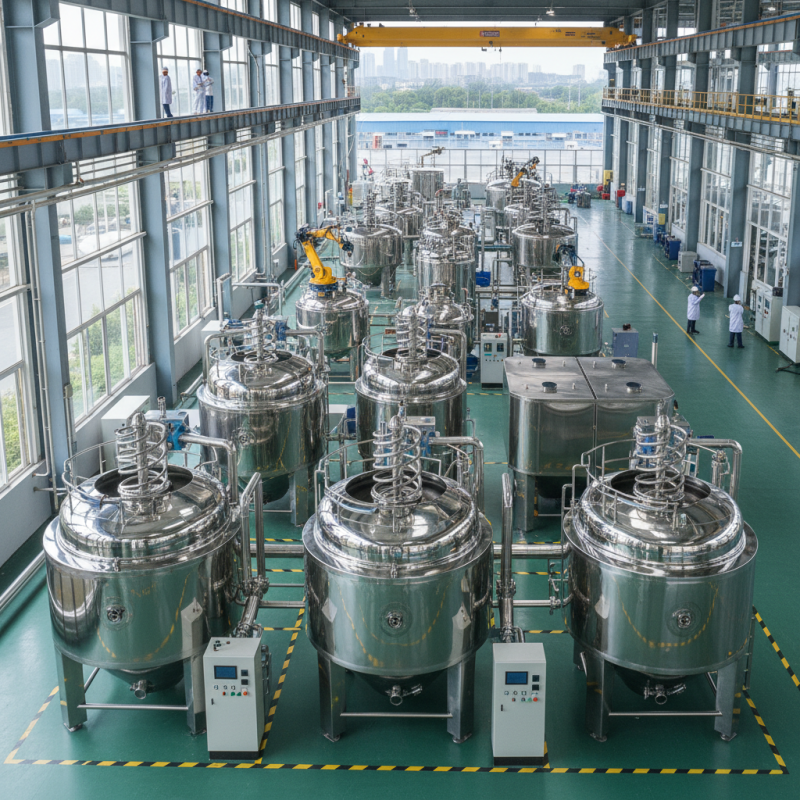
Overview of Mixing Tanks and Their Applications
Mixing tanks are essential in various industries, including food, pharmaceuticals, and chemicals. They are designed to blend materials effectively, ensuring uniformity and consistency. According to a recent market report, the global mixing tank market is projected to grow at a CAGR of 5.2% over the next five years. This growth indicates a rising demand for advanced mixing technologies.
Applications of mixing tanks vary widely. In the food industry, they mix ingredients for sauces or beverages. In pharmaceuticals, they create homogeneous solutions critical for drug development. However, many facilities still face challenges. Ensuring cleanability and avoiding cross-contamination remain common concerns. Some reports suggest that improper tank maintenance can lead to product inconsistencies, affecting overall quality.
Investing in state-of-the-art mixing technologies can mitigate such issues. For example, high-shear mixers provide rapid blending and reduce processing times. However, not all companies prioritize regular equipment audits. This oversight can lead to inefficiencies. Increasing awareness of best practices in tank operation is crucial for meeting industry standards and consumer demands.
Key Features to Consider When Selecting Mixing Tanks
When selecting mixing tanks, certain key features can significantly impact the effectiveness of your operations. One crucial aspect is the tank material. Stainless steel is often preferred for its durability and ease of cleaning. However, plastic tanks offer a lightweight alternative, which might be easier to handle in specific environments. Consider the chemical compatibility of your chosen material with the substances being mixed.
Another important feature is the tank's capacity and design. Different applications require varying volumes, so understanding your specific needs is vital. Look for tanks with flexible configurations to suit your setup. Mixing mechanisms should be assessed as well. High-shear mixers are great for emulsions and dispersions, while low-shear designs help maintain product integrity.
Don’t overlook safety features. Effective sealing, pressure relief valves, and monitoring systems can be vital in preventing accidents during the mixing process. Maintenance is another factor that should not be ignored. Tanks that are tough to clean can lead to contamination issues. Reflect on whether your choice balances function, safety, and practicality for your unique situation.
Top 10 Mixing Tanks in China for Global Buyers
This chart illustrates the key features of the top mixing tanks in China, focusing on critical dimensions such as capacity in liters, material quality rating (out of 10), agitation efficiency rating (out of 10), energy consumption score (out of 10), and estimated cost in USD. These features are essential for global buyers to consider when selecting mixing tanks for their operations.
Top Chinese Manufacturers of Mixing Tanks
China is home to numerous manufacturers of mixing tanks. These tanks are essential in various industries, such as food processing, pharmaceuticals, and chemicals. The variety of materials and designs available reflects the diverse needs of global buyers. Many factories use advanced technology to create high-quality mixing tanks. However, not all manufacturers adhere to the same standards.
When selecting a manufacturer, buyers should consider expertise and reliability. Some factories may focus solely on production speed, compromising quality. It's crucial to seek manufacturers with a proven track record. Real-world applications often reveal discrepancies between specifications and actual performance. Ensuring that a manufacturer can provide detailed information about their tanks is vital for informed decision-making.
Buyers should also prioritize companies that offer excellent customer service. Communication can make or break transactions. Clear guidance from the manufacturer is essential for installation and maintenance. Researching the experiences of past clients can shed light on a manufacturer's reputation. Engaging with other industry professionals can lead to valuable insights and recommendations.
Comparison of Mixing Tanks Based on Performance and Price
When evaluating mixing tanks in China, performance and price are crucial factors. Different designs cater to various industries, such as food processing, pharmaceuticals, and chemicals. Most mixing tanks come in stainless steel, enhancing their durability and resistance to corrosion. Sizes range from small units for lab use to large-scale tanks for production.
Performance metrics include mixing efficiency, energy consumption, and operational speed. High-performance tanks may include advanced features such as variable speed controls and specialized agitator shapes. However, these high-tech features often come with a higher price tag. Not all buyers need cutting-edge capabilities; sometimes, simpler designs suffice.
Buyers should weigh their specific needs against budget constraints. While a cheaper tank may save money upfront, it may lack essential features or durability. Conversely, investing in a high-quality tank that meets production demands can lead to long-term savings. Identifying the right balance between performance and cost is vital for any business in search of mixing solutions.
Top 10 Mixing Tanks in China for Global Buyers Guide
| Model | Capacity (L) | Power (kW) | Material | Price (USD) | Performance Rating |
| MT-100 | 1000 | 5 | Stainless Steel | 3000 | 4.5 |
| MT-200 | 2000 | 7.5 | Carbon Steel | 4000 | 4.0 |
| MT-300 | 1500 | 6 | Stainless Steel | 3500 | 4.7 |
| MT-400 | 2500 | 10 | Carbon Steel | 4500 | 4.3 |
| MT-500 | 3000 | 12 | Stainless Steel | 6000 | 4.9 |
| MT-600 | 5000 | 15 | Carbon Steel | 7000 | 4.6 |
| MT-700 | 4000 | 11 | Stainless Steel | 5500 | 4.8 |
| MT-800 | 6000 | 17 | Carbon Steel | 8000 | 4.4 |
| MT-900 | 7000 | 20 | Stainless Steel | 9500 | 4.7 |
| MT-1000 | 8000 | 25 | Carbon Steel | 12000 | 4.6 |
Global Trends in the Mixing Tank Market and Future Prospects
The global mixing tank market is evolving rapidly. Increased industrial automation and technological advancements drive trends. Manufacturers now focus on producing energy-efficient and environmentally friendly mixing solutions. This shift aligns with growing sustainability concerns across industries.
In emerging markets, there is a rising demand for customized mixing solutions. Companies seek tanks tailored to specific processes. This custom approach enhances efficiency and product quality. However, many manufacturers face challenges in materials and design. They often struggle to balance cost and performance effectively.
Investing in smart mixing technology is essential. Integrated control systems provide real-time monitoring and adjustments. This ensures optimal mixing conditions and reduces waste. Future prospects suggest a surge in demand for smart tanks. Yet, not all producers are ready for this transition. Addressing these gaps will be crucial for success in the competitive landscape.