What Are the Top Solar Home Systems in 2026?
Choosing among the top Solar Home Systems in 2026 is no longer just a question of panel size. For a family, the difference may be whether a 100-watt panel can run lights, charge phones, and keep a small fan moving after sunset. Battery capacity, warranty terms, repair access, and the total cost of ownership matter just as much. A low sticker price can hide costly replacements. That detail is easy to miss.
The World Bank’s 2024 Tracking SDG 7 report estimates that 685 million people worldwide lacked electricity in 2022. That figure makes reliable, appropriately sized systems more than a convenience. GOGLA’s off-grid solar market reports also track sales, affordability, and customer reach, helping distinguish real market performance from promotional claims. As IEA Executive Director Fatih Birol has noted, “Africa is home to 60% of the best solar resources worldwide, yet only 1% of installed solar PV capacity.” Strong sunlight alone, however, does not guarantee dependable power at home.
This guide compares leading systems by usable energy, battery chemistry, appliance support, service coverage, and transparent pricing. It also considers whether products can handle cloudy days and everyday wear, not just ideal test conditions. No ranking is perfect. A system that suits a rural household may be a poor fit for an urban apartment. Readers should check local availability, warranties, and current prices before buying. The best choice is the one that reliably meets a household’s actual needs.
What Defines a Solar Home System in 2026?
What Are the Top Solar Home Systems in 2026?
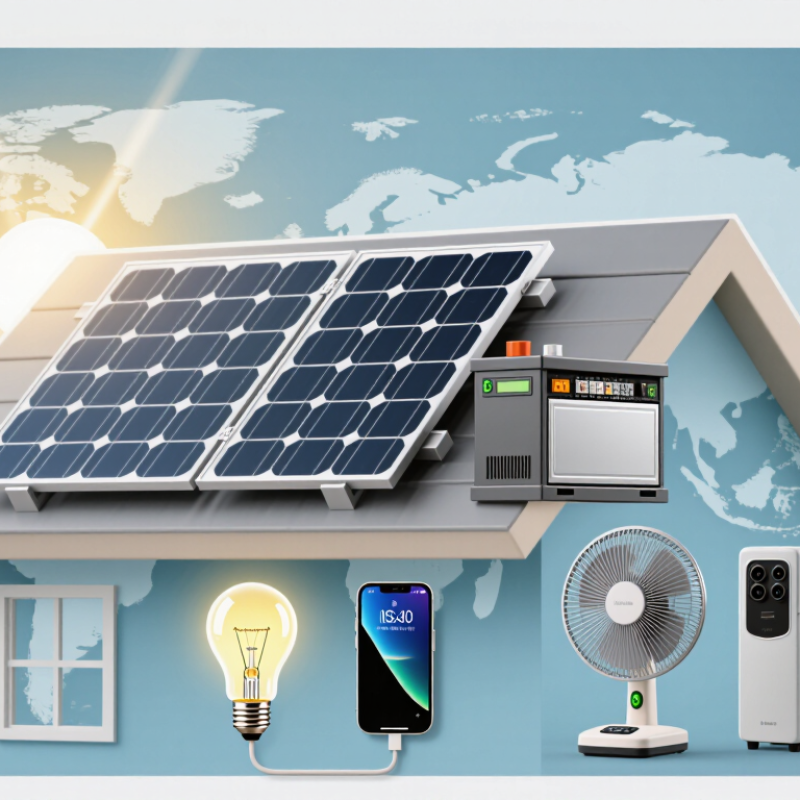
A solar home system is a coordinated setup, not just a rooftop panel. It typically includes photovoltaic panels, a charge controller, a battery, wiring, and protection devices. An inverter is needed for many household appliances.
The World Bank and ESMAP’s Multi-Tier Framework sets useful service benchmarks: Tier 1 access starts at about 3 watts of capacity and 12 watt-hours daily; Tier 2 starts at 50 watts and 200 watt-hours. These are access measures, not shopping recommendations.
In practice, a good system matches the home’s daily energy use and peak demand. A refrigerator starting at night needs different sizing from lights and phone charging. Battery capacity, usable output, weather, and repair access matter too.
The IEA’s Renewables 2024 report forecasts nearly 5,500 gigawatts of global renewable capacity additions through 2030, with solar PV expected to provide around 80% of the growth. That wider trend does not mean every home needs a large battery.
One awkward reality: household use estimates are often wrong, especially when new appliances arrive.
Tips: List each appliance’s watts and daily hours before sizing. Check usable battery capacity, not just the headline rating. Leave room for future loads, but avoid paying for power you will rarely use.
Which Features Matter When Comparing Solar Home Systems?
A useful comparison begins with the home’s actual loads, not a headline capacity. List what must keep running during an outage, such as a refrigerator, a few lights, and a router. Then check both continuous output and surge capacity; a motor can briefly draw far more power when it starts. That matters. Battery capacity also needs context. Usable energy, stated in kilowatt-hours, is more helpful than a battery’s nominal figure, while chemistry and expected cycle life affect long-term value. Ask how the system behaves on cloudy days and whether it can expand later. Bigger is not always better.
Installation details deserve equal attention. Confirm which equipment is included, whether monitoring requires an internet connection, and what the warranty covers for labor, batteries, and performance. Check the details. A clear estimate should separate equipment, installation, and any ongoing fees, so competing offers can be compared fairly. Look for protections against overloads and clear instructions for maintenance. Monitoring can reveal unusual output, but readings are only useful if someone knows how to interpret them. A comparison can look precise while relying on ideal sunlight assumptions; local shade and roof direction may change the result. I would treat estimated savings as estimates, not promises. Small print counts.
How the Leading Solar Home Systems of 2026 Differ
The leading solar home systems of 2026 differ less by headline wattage than by how well their parts work together. A high-output panel array can still disappoint if its inverter limits usable power or the battery fills before evening. Compare continuous inverter output, usable battery capacity, and expected energy production—not just the largest number on the box. A kettle, refrigerator, and router can draw power at the same time.
Some systems prioritize backup power, with larger batteries and circuits designed to keep essential appliances running during an outage. Others focus on daily bill savings, using smart controls to shift household use toward sunny hours. Modular designs let owners add storage later, though extra batteries may cost more than buying a properly sized package upfront. Neat idea. Check compatibility first.
Installation also separates the contenders. Roof angle, shade, local weather, and household usage can change real-world performance, so published estimates deserve a careful look. Ask how the system handles cloudy days, whether monitoring shows battery status clearly, and what service support covers. I would not choose by app screenshots alone; good monitoring cannot fix poor system sizing. That distinction is easy to miss. A qualified installer’s site assessment is more useful than a generic savings estimate.
Which Home and Energy Needs Each System Best Serves
A grid-tied solar system suits homes with dependable utility service and daytime electricity use. It can power appliances while sunlight is available, reducing the amount of electricity drawn from the grid. Without a battery, it usually cannot keep the lights on during an outage. That detail surprises some homeowners. A hybrid system adds battery storage, making it a better fit for households that need backup power for a refrigerator, Wi-Fi router, or medical equipment. Battery capacity matters: a small unit may cover essentials for hours, not an entire house overnight.
For rural properties with frequent outages or no practical grid connection, an off-grid system may be appropriate. It needs careful sizing, a battery bank, and often a backup generator for cloudy stretches. A winter week can challenge a system designed around sunny summer days. Modular systems can suit cabins, workshops, or households that want to expand gradually, but limited capacity may mean choosing which devices run at once. There is no perfect setup.
Before choosing, compare recent electricity bills, note when major appliances run, and check the roof’s shade and usable area. A qualified installer can assess wiring, structural condition, and local sunlight patterns. Estimates are still estimates; actual production changes with weather, orientation, and maintenance. Be honest about evening use. That is often where expectations drift.
Top Solar Home System Types in 2026
Typical battery-storage planning ranges by system type (kWh)
Best suited to: Grid-tied systems for homes focused on lowering grid electricity use; hybrid systems for homes seeking backup during outages; off-grid systems for homes without reliable grid access; portable solar kits for small loads, temporary use, or limited backup.
Ranges are illustrative planning examples, not fixed specifications. Actual storage needs depend on household consumption, backup goals, location, and system design. Grid-tied systems commonly operate without a battery.
What to Check Before Buying and Installing a Solar Home System
Before comparing solar home systems in 2026, list what you actually use. Note the wattage and daily runtime of essentials such as a refrigerator, lights, router, and well pump. A fridge may cycle on and off, while a pump can need extra power at startup. Check the inverter’s continuous and surge ratings, not just its headline capacity. Keep a little margin. Small loads add up.
Ask how much battery capacity is usable, and how the system performs after cloudy days. Rated capacity and usable capacity are not always the same. Check whether the panels will face shade from trees, chimneys, or nearby buildings during the day. Roof condition matters too; replacing shingles after installation can mean extra work. It is easy to misjudge seasonal sunlight. Ask for estimates based on your location and actual energy use, rather than a best-case figure.
Before installation, get a written equipment list, scope of work, warranty terms, and maintenance expectations. Confirm who handles inspections and any local approvals. Have a qualified installer assess wiring, grounding, roof structure, and battery placement. Ask what happens if the system needs repair, and whether components can be expanded later. One detail buyers sometimes overlook: where will the system’s monitoring equipment connect if the home’s internet goes down? Don’t guess. Get the answer in writing.