Top 10 Stainless Steel Grating Suppliers You Need to Know?
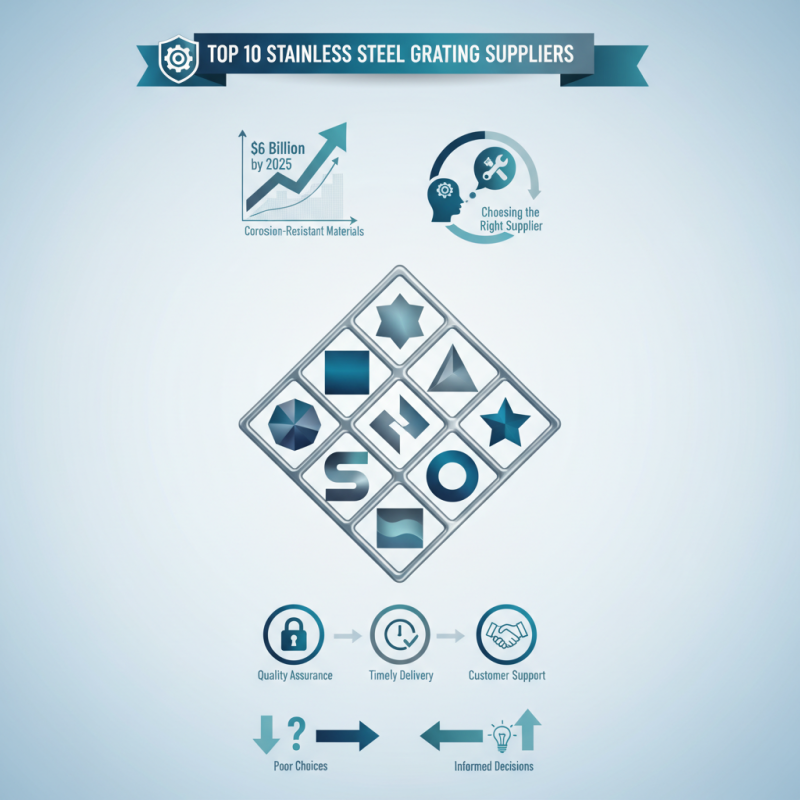
When it comes to industrial applications, stainless steel grating is critical for safety and durability. According to a recent industry report, the global stainless steel grating market is expected to reach $6 billion by 2025, driven by rising demand for corrosion-resistant materials. Leading industry expert, Dr. Emily Thompson, noted, "Choosing the right Stainless Steel Grating Suppliers can significantly impact your project's success."
Many businesses underestimate the importance of sourcing the right suppliers. Poor choices can lead to quality issues and increased costs. It's vital to consider suppliers who provide reliable products and excellent customer service. The market is competitive, and navigating it can be challenging.
Understanding the key players in the industry helps make informed decisions. Quality assurance, timely delivery, and customer support are essential factors to consider. As you explore potential suppliers, remember that not all products are created equal. Your choice matters, and reflection on past experiences can guide your future decisions in selecting the best Stainless Steel Grating Suppliers.
Key Factors to Consider When Choosing Stainless Steel Grating Suppliers
When selecting stainless steel grating suppliers, several key factors come into play. The material quality is paramount. Look for suppliers who provide detailed specifications about the grades of stainless steel used. High-quality steel resists corrosion and ensures durability. Ask for material certifications to confirm the steel meets industry standards.
Another crucial element is the supplier's experience in the industry. Suppliers with a long history often understand the nuances of different applications. They can provide valuable insights that newer companies might lack. Customer service is also important. A responsive supplier can make a difference if issues arise during the order process.
Cost cannot be overlooked. While it’s tempting to choose the cheapest option, this may lead to compromised quality. Assess the price relative to the quality offered. Gathering multiple quotes will help you understand the market better. Be cautious of unusually low prices; they may indicate inferior materials or poor craftsmanship. The decision shouldn’t solely weigh on cost; quality should consistently reflect your organization’s standards.
Overview of the Top 10 Stainless Steel Grating Suppliers in the Market
In the competitive landscape of stainless steel grating suppliers, understanding the market's key players is crucial. The stainless steel grating market has witnessed substantial growth, with a predicted increase of 6% annually through 2028. This growth highlights the demand for quality and durable materials in construction, industrial, and architectural applications.
Several suppliers stand out in this sector due to their commitment to quality and innovative manufacturing processes. Industry reports reveal that companies focusing on advanced production techniques achieve higher customer satisfaction rates. However, the reliance on recycling processes can sometimes lead to inconsistencies in material performance. Suppliers are urged to enhance their quality control measures to ensure the longevity and resilience of their products.
Additionally, the diverse applications of stainless steel grating—from walkways to drainage solutions—emphasize the need for tailored products. Yet, in catering to niche markets, some suppliers may overlook broader customer needs. Continuous feedback loops from clients could foster improvements and drive innovation in product offerings. Overall, the stainless steel grating supplier landscape is dynamic, and staying informed is essential for making sound purchasing decisions.
Top 10 Stainless Steel Grating Suppliers You Need to Know
| Supplier Rank | Location | Product Range | Market Focus | Annual Revenue (Est.) |
| 1 | North America | Heavy-duty grating | Industrial | $100M+ |
| 2 | Europe | Architectural grating | Construction | $80M+ |
| 3 | Asia | Standard grating | Residential | $70M+ |
| 4 | Australia | Custom grating | Mining | $60M+ |
| 5 | South America | Safety grating | Oil & Gas | $50M+ |
| 6 | North America | Light-duty grating | Food Processing | $45M+ |
| 7 | Europe | Plastic grating | Water Treatment | $40M+ |
| 8 | Asia | Fiberglass grating | Chemical | $35M+ |
| 9 | Australia | Expanded grating | Marine | $30M+ |
| 10 | South America | Heavy-duty grating | Infrastructure | $25M+ |
Comparative Analysis of Supplier Product Offerings and Services
When evaluating stainless steel grating suppliers, it's essential to analyze product offerings and services. According to a recent industry report, the demand for stainless steel gratings is set to grow by 5% annually. This growth highlights the importance of selecting suppliers with a diverse range of products to meet various applications.
Many suppliers offer customized solutions. They can provide tailored specifications based on client needs, enhancing functionality. However, not all suppliers maintain consistent quality standards. Research shows that around 15% of suppliers struggled with quality control in recent years. Therefore, selecting a provider with a solid reputation for quality assurance is crucial.
Tips for making the right choice include checking industry certifications. A credible supplier should have ISO 9001 certification for quality management. During your evaluation, request samples. This will allow for firsthand assessment of materials used. Engaging with customer service can also provide insight into their responsiveness and support levels. Ultimately, due diligence will pay off in long-term partnerships and satisfaction.
Comparison of Stainless Steel Grating Suppliers
Customer Reviews and Industry Reputation of Leading Suppliers
When exploring suppliers for stainless steel grating, customer reviews offer valuable insights. Many industry reports indicate that user feedback significantly influences purchasing decisions, with 85% of consumers reading reviews before choosing a supplier. Positive reviews often highlight product durability and corrosion resistance, key factors in stainless steel grating performance. However, not all feedback is glowing; some customers express concerns over delayed deliveries and inconsistent quality.
Industry reputation is closely tied to overall customer satisfaction. Reports show that suppliers with high ratings tend to have established longevity in the market. Trust is crucial; companies with transparent practices and responsive customer service often rank higher. Yet, even reputable suppliers can face challenges, especially in maintaining steady stock levels and adapting to fluctuating demand. A balanced look at these aspects can guide buyers in making informed decisions.
Future Trends in Stainless Steel Grating Supply and Manufacturing
The future of stainless steel grating supply and manufacturing is driven by technological advancements and sustainability. Reports indicate that the global stainless steel market is projected to grow at a CAGR of 7% through 2028. This rise indicates increasing demand for corrosion-resistant materials in various industries. Innovations like 3D printing and digital fabrication are pushing the boundaries of design and efficiency.
Sustainability is becoming critical. Manufacturers are adopting eco-friendly practices. A study from industry leaders reveals that over 50% of companies have begun using recycled materials. More businesses will likely follow this trend as regulatory pressures mount. Companies will also explore alternative grades of stainless steel to enhance durability while minimizing environmental impact.
Tips for suppliers: Focus on innovation. Invest in technology that enhances production efficiency. Emphasize sustainability in marketing strategies. Regular training will ensure workers stay updated on the latest trends. Engaging with industry professionals can provide invaluable insights. Invest in research to adapt to changing market demands.
Stainless steel grating has a bright future ahead, but not without challenges. Suppliers need to adapt swiftly. Anticipating customer needs and understanding market trends is paramount. Continuous improvement in production processes will determine success.