Top 10 Tips for Choosing the Best Casting Crusher?
Selecting the right Casting-crusher is crucial for enhancing production efficiency in many industries. According to a recent report by Market Research Future, the global casting-crusher market is projected to grow significantly, reaching $2.5 billion by 2025. Choosing the best equipment affects not only operational costs but also product quality. Industry expert, Dr. John Smith, emphasizes, “Investing in the right casting-crusher can change the trajectory of a business.”
The decision-making process often involves varying parameters like design, material, and capacity. Many operations overlook these critical factors, leading to increased downtime and maintenance issues. For instance, a casting-crusher that does not match the specific needs of the operation can result in inefficiencies. Reflecting on past experiences, many professionals realize that improper selection can lead to regret later on.
Understanding the nuances of casting-crushers is essential. Each machine serves a unique purpose. A thorough evaluation not only saves time but also enhances overall productivity. It's vital to analyze both short-term and long-term needs before making a choice. The right casting-crusher can often mark the difference between success and failure in a competitive market.
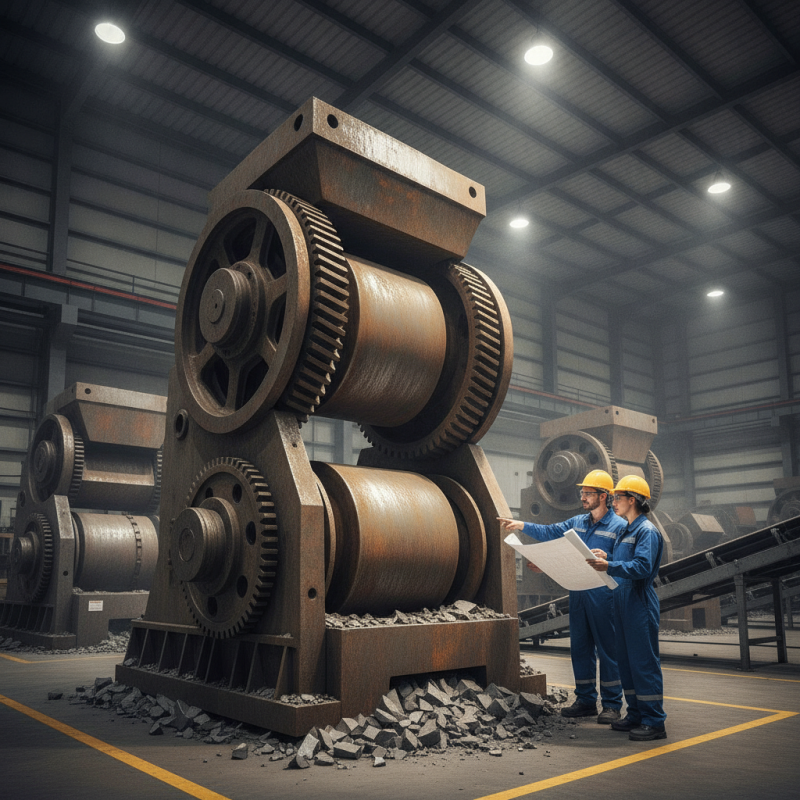
Understanding the Different Types of Casting Crushers Available
When selecting a casting crusher, understanding the various types available is crucial. Each type serves a different purpose and operates under distinct principles. For instance, jaw crushers are known for their ability to crush hard materials. They use a compressive motion to break down materials, making them ideal for primary crushing. In contrast, impact crushers offer high-speed impact force. These are great for various applications but may not handle harder materials as effectively.
Some casting crushers utilize advanced technology and materials. This can enhance durability and efficiency in specific environments. However, this advancement often leads to a higher price point. It's vital to weigh the benefits against the cost carefully. You might find that a simpler model suits your needs better.
Consider the maintenance requirements too. Some machines need frequent servicing, affecting long-term usability. Reliability plays a significant role, and choosing a machine that fits your operation’s demands is essential. Avoid merely following trends; focus on your specific requirements and challenges in the field. This reflection can lead to a more informed decision.
Evaluating Material Compatibility for Your Casting Crusher Selection
When selecting a casting crusher, evaluating material compatibility is crucial. The materials you intend to crush dictate the type of crusher suitable for your needs. For example, abrasive materials require tougher crushers that can withstand wear and tear. Consider the hardness, size, and specific properties of the materials. This assessment directly affects the performance and longevity of your equipment.
One tip for material compatibility is to analyze the material’s composition carefully. Not all crushers handle the same materials well. Fragile materials might damage a too-robust crusher. Conversely, a subpar crusher may fail with tough materials. Pay attention to the grain shape and moisture content, as they play significant roles in crushing efficiency.
Another important factor is the output size of the material. This can influence your choice of the casting crusher. Ensure the selected crusher can deliver the desired size without overloading. Inspect the manufacturer’s specifications for capacity and size reduction ratios. Also, consider how the material will be processed afterward. This holistic view of your material compatibility will lead to a more informed decision.
Key Features to Look for in a High-Quality Casting Crusher
When selecting a high-quality casting crusher, several key features are essential. The material used in the crusher plays a crucial role in its durability and efficiency. According to industry reports, a significant portion of failures can be attributed to subpar materials. High-grade steel or alloy materials often prevent premature wear. A hardened surface can enhance service life and reduce downtime in production.
Another vital aspect is the design and configuration of the crushing chamber. An optimized design improves material flow and maximizes crushing efficiency. Data indicates that crushers with well-engineered chambers can improve output by up to 30%. Ease of maintenance is also significant. Regular maintenance can extend the life of a casting crusher substantially. A design that allows for quick part replacement can save time and labor costs.
Finally, consider the manufacturer's support and service options. Quality machines occasionally require expert servicing. A manufacturer with a solid reputation for support can greatly reduce unexpected failures. Reports show that companies with responsive service see a 20% decrease in operational disruptions. Choosing a casting crusher with these features is essential for maximizing productivity.
Assessing Cost vs. Quality for Effective Casting Crusher Investment
When investing in a casting crusher, balancing cost and quality is crucial. Many overlook that cheaper options can lead to long-term expenses due to lower efficiency. A high-quality casting crusher often results in better performance and fewer breakdowns. These savings on maintenance and repairs can offset the initial investment.
It's wise to assess the materials used in the construction. A well-built crusher using durable components may have a higher price tag. However, it benefits users in the long run. Look for features that enhance reliability, such as better sealing systems or advanced drive mechanisms. These elements add value and can prevent costly downtime.
Cost should not be the only factor. Sometimes, a good deal may seem appealing, but it often comes with hidden costs. Consider the manufacturer's reputation and customer reviews. Reliable sources often highlight the longevity of the equipment. This research can provide insights into the real-world performance of different crushers. Investing time in understanding these aspects can lead to a more satisfactory purchase.
Top 10 Tips for Choosing the Best Casting Crusher
Importance of Manufacturer Reputation and Customer Support in Selection
When selecting a casting crusher, the manufacturer's reputation plays a crucial role. A well-regarded manufacturer often highlights their commitment to quality and reliability. They have a track record of delivering durable products. This can save you time and money in the long run. It’s essential to research their history and customer testimonials. A manufacturer with positive feedback is more likely to meet your expectations.
Customer support is another vital factor in your decision. Issues can arise during operation, so having responsive support is key. A company that offers readily available assistance will help you troubleshoot any problems quickly. Look for manufacturers that provide comprehensive warranties and support. This indicates they stand behind their products. Remember, a strong support system can make a significant difference in your overall satisfaction and success.
Yet, even well-known manufacturers may not suit every need. Their lack of flexibility could be a concern. Equally, smaller companies might offer personalized service that larger firms might not provide. Consider all options carefully. Balancing reputation with specific project requirements is crucial for an informed decision.