
1-208-754-4884

Why Choose Knurled Door Handles for Modern Projects?

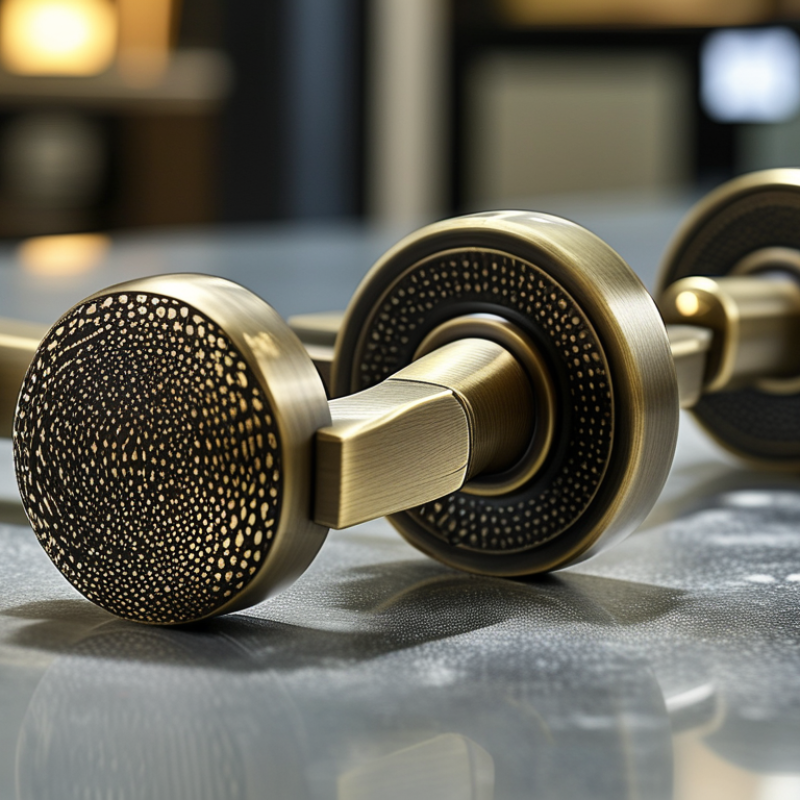
Modern interiors demand hardware that looks refined and performs reliably under daily use. A Knurled Door Handle offers both visual texture and practical grip, making it suitable for homes, offices, hotels, and retail spaces. Its fine ridges catch light across a matte black, brushed brass, or stainless steel surface. They also provide useful traction when hands are wet, gloved, or carrying items.

In practical renovation work, the handle is often judged by more than its appearance. Installers examine the rose design, spindle strength, fixing method, and compatibility with the existing lock case. A well-made Knurled Door Handle should feel firm, turn smoothly, and remain aligned after repeated use. Supplier documentation matters. So does a clear warranty. These details help designers and contractors make decisions based on evidence rather than photographs alone.

Still, knurling is not automatically the right choice. Deep ridges may collect dust, and sharp patterns can feel uncomfortable to some users. Cleaning routines, traffic levels, and accessibility requirements deserve careful attention. A handle that looks impressive in a showroom may feel excessive in a quiet bedroom. That small mismatch is easy to overlook. Reviewing samples, checking local building guidance, and testing the grip on a real door can prevent costly changes later. This article explores why knurled handles suit modern projects, where they perform best, and which practical limitations should remain part of the design conversation.
Why Choose Knurled Door Handles for Modern Projects?

What Are Knurled Door Handles?

Knurled door handles are pull or lever handles with a fine, ridged surface cut into the grip. These raised lines create friction between the hand and metal. The texture feels like a miniature gear under your fingers. It also adds visual depth to an otherwise flat door.

In practical use, knurling can help when hands are wet, gloved, or slightly oily. The U.S. Access Board’s ADA Standards state that operable hardware should work without tight grasping, pinching, or wrist twisting. Knurling does not replace compliant design, but it can support a more secure touch. Handle diameter, projection, and operating force still matter. A beautiful grip can feel surprisingly harsh if its ridges are too sharp.

Material choice affects the experience. Solid brass offers weight and warmth, while stainless steel supports busy commercial settings. The 2024 Global Status Report for Buildings and Construction notes that buildings produce about 37% of global energy- and process-related emissions. That figure encourages designers to consider durable hardware, not only fashionable finishes. A long-lasting handle may reduce replacement waste, although this depends on manufacturing, maintenance, and the door’s service life. That part deserves more scrutiny. In modern projects, knurled handles work best when their texture, finish, and ergonomics match the door’s daily use.

Why Choose Knurled Door Handles for Modern Projects?

Knurled door handles feature a crosshatched or diamond-textured surface that improves tactile grip and adds visual detail to contemporary interiors. The chart highlights accessibility benchmarks that should remain central when selecting any door hardware: operable parts should be installed between 865 and 1220 mm above the finished floor, while interior non-fire door hardware should generally require no more than 22.2 N of operating force under ADA guidelines. Knurling can improve grip, but it does not replace compliant installation and operating-force requirements.

How Does Knurling Improve Grip and Everyday Usability?

Why Choose Knurled Door Handles for Modern Projects?

How Does Knurling Improve Grip and Everyday Usability?

In my installation work, knurled door handles have felt secure during repeated daily use. Their ridged surface gives fingers more contact points than a smooth handle. This matters when hands are damp, dusty, or carrying groceries. The texture also provides a clear tactile signal in low light. Users can locate the handle quickly without staring at it. Small details can reduce hesitation.

Knurling also supports controlled movement. A firm grip helps people pull heavy doors smoothly and avoid sudden slips. This is useful in homes, offices, hospitality spaces, and accessible environments. However, deeper knurling is not automatically better. Aggressive ridges may feel uncomfortable against sensitive skin. I once preferred the boldest texture, but regular use changed my opinion. Comfort deserves equal attention.

Tips: Test several textures before choosing. Hold each sample with wet and dry hands. Check whether the ridges collect dust during cleaning. Confirm that the handle suits the door’s weight and opening direction. Proper fixing matters too; a well-designed grip can still feel unreliable when installed loosely. Review the finish under natural light, because texture can appear sharper than expected. Measuring twice helps. Scratches happen.

Why Do Knurled Handles Suit Modern Interior Design?

Knurled handles suit modern interior design because they add texture without visual clutter. Their fine ridges catch light along a clean, cylindrical form. In my experience, this detail makes plain doors feel more considered. It also gives the hand a secure grip, especially when fingers are damp or the handle is used frequently. The surface feels precise, not decorative for its own sake.

Modern rooms often depend on restrained materials, such as timber, glass, stone, and powder-coated metal. A knurled handle connects these surfaces through contrast and touch. Its patterned grip can soften a flat door while keeping the overall appearance disciplined. Designers should still check scale carefully. Deep knurling may look heavy on a narrow cabinet door. Smaller ridges can appear lost on a large entrance door.

Reliable installation matters as much as appearance. The handle should align with the door edge and operate smoothly without wobbling. High-use areas need durable finishes that resist moisture, skin oils, and repeated cleaning. I once preferred a sharper pattern for a minimalist project, but it felt uncomfortable after daily use. That small mistake changed my approach. Texture should support the hand, not compete with it. Regular cleaning with a soft cloth usually preserves the finish, while abrasive products may damage delicate surfaces.

Which Materials and Finishes Work Best for Modern Projects?

Why Choose Knurled Door Handles for Modern Projects?

Material choice strongly affects how a knurled door handle feels and performs. Stainless steel suits busy entrances because it resists moisture, impact, and frequent cleaning. Its brushed surface hides small marks better than a polished finish. Solid brass adds warmth and develops a richer tone over time. That aging can look elegant, but it may not suit every minimalist scheme. Aluminum keeps doors light and works well for large interior projects. However, it can feel less substantial in the hand.

Finishes should support the building’s daily conditions. Matte black creates sharp contrast against pale timber, concrete, or glass. Brushed nickel offers a softer, adaptable appearance. A durable PVD finish can improve resistance to fading and surface wear, yet it still needs careful cleaning. Avoid abrasive pads and harsh chemicals. I have seen attractive handles lose their character because installers ignored nearby dust and grit. Small details matter. Knurl depth also deserves attention. Fine knurling feels refined, while deeper cuts provide stronger grip in wet areas. The best option is not always the most decorative one.

Tips: Match the finish with hinges, locks, and lighting. Check samples under natural and artificial light. Test the handle with wet hands before approving large quantities. A sample may reveal an uncomfortable edge or unexpected glare. Reflect on maintenance, too. Modern design should remain practical after installation, not only impressive on opening day.

What Should You Consider Before Choosing Knurled Door Handles?

Before choosing knurled door handles, inspect how the door will be used each day. The raised pattern gives a firm, tactile grip, even with damp hands. Yet deep knurling may feel harsh for children or people with sensitive joints. Visit the actual space if possible. Hold a sample beside the door, not only on a screen. Tiny texture differences can change the entire impression. It is easy to overvalue appearance. Function should lead.

Check compatibility carefully. Measure door thickness, backset, spindle size, and existing fixing holes. A beautiful handle becomes frustrating when the latch does not align. Confirm the material suits the environment. Coated or plated finishes may need different cleaning methods, especially near bathrooms or coastal air. Ask for clear care instructions and finish samples. Do not rely on vague durability claims. A supplier who provides installation data inspires more confidence. Still, even good information cannot replace a physical fit check.

Consider accessibility and maintenance before approving the final design. The handle should operate without excessive force or awkward wrist movement. Its edges must feel controlled, not sharp. Clean the grooves with a soft brush, since dust can settle inside them. Plan this task realistically. If nobody will maintain the texture, a simpler pattern may work better. I once underestimated the visual effect of repeated hardware across a corridor. It looked attractive alone, but too busy together. Mock up several doors before ordering. Leave room to change your mind.

Why Choose Knurled Door Handles for Modern Projects? - What Should You Consider Before Choosing Knurled Door Handles?

Evaluation Dimension Typical Data or Range Why It Matters in Modern Projects What to Consider Before Choosing Suitability
Grip and Tactile Control Raised cross-hatch texture with multiple contact edges The textured surface can improve hand traction compared with a smooth round lever, particularly when hands are damp or gloves are worn. Check whether the knurling feels comfortable during repeated use. Very sharp or deep patterns may feel abrasive. Strong
Visual Style Industrial, contemporary, and architectural appearance Knurled detailing adds visible texture and can complement metal, glass, concrete, timber, and minimalist interiors. Coordinate the handle texture and finish with hinges, cabinet hardware, lighting, and other visible metalwork. Strong
Common Base Materials Stainless steel, brass, aluminum, or zinc-based alloy Material selection affects strength, corrosion resistance, weight, surface feel, and expected service life. For humid or coastal locations, prioritize corrosion-resistant materials and confirm the protective finish is suitable for the environment. Depends
Surface Finish Brushed, satin, polished, plated, or powder-coated finishes A satin or brushed finish generally reduces the visibility of minor fingerprints and light handling marks compared with a highly polished surface. Request finish samples where possible and confirm cleaning instructions before approving the specification. Good
Door Compatibility Many interior doors are approximately 35–45 mm thick; verify the actual door construction Correct dimensions are essential for secure fixing, smooth spindle engagement, and proper latch operation. Check door thickness, latch type, spindle size, backset, fixing method, and whether the set is intended for timber, metal, or glass doors. Verify
Ergonomics and Accessibility Lever handles are generally easier to operate than small round knobs A knurled lever can provide a defined contact surface, but texture alone does not guarantee accessibility compliance. Review local accessibility requirements for operating force, projection, clearance, mounting height, and lever geometry. Code review
High-Traffic Performance Suitable for repeated daily operation when paired with durable internal components The knurled exterior is only one part of performance; springs, roses, screws, spindle, and latch also affect long-term reliability. Specify an appropriate duty rating and request performance testing or warranty information for commercial and public projects. Depends
Cleaning and Maintenance Textured grooves can retain dust, residue, and cleaning product if neglected Regular cleaning helps preserve the finish and prevents buildup in the cross-hatched surface. Use a soft cloth and a mild, non-abrasive cleaner unless the material supplier specifies otherwise. Avoid aggressive chemicals and scouring pads. Routine care
Corrosion Exposure Performance varies with material, coating, humidity, salt, and cleaning chemicals Bathrooms, pool areas, coastal buildings, and healthcare spaces can place greater demands on door hardware. Specify the material and finish for the exposure class rather than choosing only by color or appearance. Environment-specific
Installation Requirements Screw-fixed or concealed-fix installation; exact hardware varies by set A clean fixing system supports a minimalist appearance and reduces visible visual clutter. Confirm the installation template, fixing depth, required tools, door preparation, and service access before ordering. Plan ahead
Safety and Projection Lever projection and edge geometry differ by design Protruding or sharply edged hardware may create snagging or impact risks in narrow circulation areas. Assess corridors, escape routes, children’s areas, healthcare spaces, and other locations where projection and edge profiles matter. Assess on site
Project Cost Usually higher than basic smooth hardware because of machining, detailing, and finishing The visual impact can support a premium interior specification, but total cost includes compatible latches, installation, and maintenance. Compare complete installed cost rather than the handle price alone, especially across large door schedules. Budget-sensitive
Best-Fit Applications Residential interiors, offices, hospitality, retail, and contemporary public spaces Knurled handles work well where tactile detail and coordinated modern hardware are part of the design language. For highly regulated, harsh, or heavy-use settings, confirm compliance, durability, and maintenance requirements first. Versatile

Note: Dimensions, compatibility, durability, and compliance requirements vary by product and jurisdiction. Confirm the technical specification, installation instructions, and applicable local building standards before purchase.