Why Choose the Right Elevator Valve for Your Needs?
Choosing the right Elevator Valve can significantly impact the efficiency and safety of your systems. The elevator valve plays a crucial role in regulating the flow of liquids or gases, ensuring smooth operations in various applications. Selecting the incorrect valve can lead to leaks, increased maintenance costs, and even potential safety hazards.
Understanding the specific needs of your project is essential. It requires expertise in valve types, materials, and compatibility with your system. Elevators in high-rise buildings demand unique valve specifications. A mismatch can hinder performance and compromise safety.
In this context, evaluating the quality of different Elevator Valves is vital. Not every product on the market meets the required standards. Conducting thorough research and consulting with professionals can help identify reliable options. Each application has distinct requirements, and overlooking these can lead to costly mistakes. Taking the time to choose wisely will enhance performance and longevity in your systems.
Understanding Elevator Valves: Types and Functions
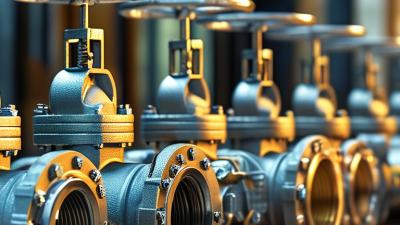
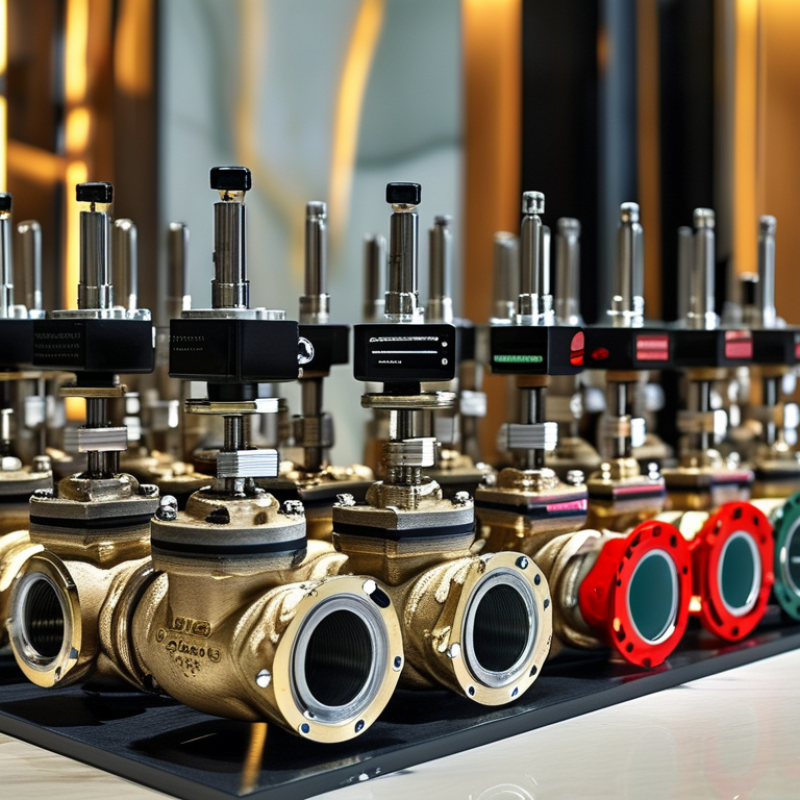
Elevator valves play a crucial role in controlling the flow of hydraulic fluid. Different types of valves exist, each serving a specific function. Common types include check valves, relief valves, and control valves. A check valve ensures fluid can only flow in one direction, preventing backflow. Relief valves manage pressure levels, protecting the system from overloading. Control valves adjust flow rates, impacting the speed and performance of the elevator.
Selecting the right valve is essential. A mismatch can lead to inefficiencies or failures. Take the time to understand your system's requirements. Consider factors like load capacity and environmental conditions. For instance, a valve made for a high-rise building must withstand greater stress than one in a low-rise. An inappropriate choice can lead to operational issues or unsafe conditions.
Reflecting on past experiences with elevator systems can reveal the significance of valve selection. Many maintenance challenges arise simply from using subpar components. Investing time in understanding various valve types is worthwhile. Remember, a well-chosen valve promotes safety, efficiency, and reliability in your elevator system. Evaluate your options carefully, as each choice impacts overall performance.
Understanding Elevator Valve Types and Their Functions
This bar chart illustrates the frequency of different types of elevator valves based on their usage percentages. Choosing the right valve type is crucial for operational efficiency and safety in elevator systems.
Assessing Your Specific Elevator System Requirements
Choosing the right elevator valve for your specific system can significantly affect performance and safety. A well-chosen valve ensures effective fluid control, which directly impacts the elevator's efficiency and longevity. According to the Elevator Safety Report 2022, poor valve selection can lead to a 30% increase in maintenance costs over time.
Assessing your needs means evaluating the type of elevator system in place. Hydraulic elevators require different valve specifications compared to traction elevators. Hydraulic systems often depend on precise pressure control to function efficiently. In contrast, traction systems need valves that can manage high speeds and loads. Ignoring these distinctions can lead to improper functioning and unsafe situations.
Communication with engineers during the selection process is crucial. Discuss flow rates, pressure ranges, and environmental conditions. Understanding these technical aspects helps in making informed choices. Consider it a collaborative effort to ensure safety and optimal performance. Quality should not be compromised, as inferior valves can lead to long-term challenges. Balancing cost and quality is an ongoing reflection point for many in the industry.
Identify your primary concerns early on. Are you prioritizing safety, longevity, or cost? Defining these parameters will guide your decisions and help avoid common pitfalls. Proper research and expert consultations can build a solid foundation in selecting the right valve for your elevator system.
Factors Influencing the Selection of Elevator Valves
Selecting the right elevator valve is essential for efficient operation. Several factors influence decision-making in this area. A study by the Elevating and Amusement Device Safety Group (EADSG) shows that improper valve selection can lead to a 30% increase in maintenance costs. Understanding these factors can save resources in the long run.
One critical element is the type of service the elevator will endure. For instance, hydraulic systems require specific valves that can handle high pressure.
According to the International Association of Elevator Engineers (IAEE), nearly 40% of elevator breakdowns stem from valve malfunctions. This statistic highlights the importance of choosing valves that match operational demands.
Another consideration is the environmental conditions of the installation site. If an elevator operates in extreme temperatures, durable materials are non-negotiable. Some valves might not function effectively in varying climates, potentially causing delays. A recent report indicated that 25% of valve failures were linked to environmental factors. These insights emphasize the need for careful assessment and selection.
Maintenance and Performance Considerations for Elevator Valves
Choosing the right elevator valve isn’t just a matter of preference; it significantly impacts maintenance and performance. Research indicates that up to 30% of elevator malfunctions stem from improperly chosen valves. The right valve type can enhance hydraulic efficiency and prolong the life of the entire system. Regular maintenance, paired with the correct valve selection, can reduce service interruptions by 50%, allowing for smoother operations in high-traffic buildings.
The importance of maintenance cannot be overstated. For instance, without routine inspections, wear and tear can compromise an elevator's safety and efficiency. It’s estimated that unnoticed valve issues can lead to a 40% decrease in performance. Smaller properties often overlook valve upgrades, resulting in higher operational costs over time. Data suggests that investing in high-quality valves can lower maintenance expenses by 15%, underscoring the interplay between performance and cost savings.
Installation of the appropriate valve is crucial. Incorrect installation can lead to increased downtime and costly repairs. Many studies highlight that even minor discrepancies in valve settings can lead to significant operational inefficiencies. Regular training for maintenance staff is recommended to address potential pitfalls. Engaging qualified professionals can mitigate risks associated with installation errors and enhance the overall reliability of elevator operations.
Cost-Effectiveness and ROI of Choosing the Right Elevator Valve
When selecting an elevator valve, cost-effectiveness plays a crucial role. The right valve can significantly reduce maintenance costs. A valve that fits your system efficiently minimizes the likelihood of failures. Lower failure rates lead to less downtime and reduced service expenses. This means you can save money in the long run. A well-chosen valve optimizes energy consumption, which also cuts operational costs.
Consider the return on investment (ROI) for the right valve choice. Investing in high-quality valves, though initially more expensive, pays off over time. Businesses often overlook this aspect. They may choose cheaper options that require frequent replacements. This decision can lead to higher cumulative costs. Evaluating the lifespan and performance of various valves is essential. A thorough analysis leads to better financial outcomes.
Additionally, errors in valve selection can have lasting effects. Poor choices might result in safety hazards, leading to liability issues. It’s vital to understand your specific needs clearly. Rushing through the selection process can lead to regret. Investing time in research ensures reliability, enhancing your overall operation's safety and efficiency.
Why Choose the Right Elevator Valve for Your Needs? - Cost-Effectiveness and ROI of Choosing the Right Elevator Valve
| Valve Type |
Initial Cost ($) |
Maintenance Cost (Annual) ($) |
Expected Lifespan (Years) |
ROI (%) |
| Globe Valve |
500 |
50 |
10 |
150% |
| Gate Valve |
400 |
30 |
15 |
120% |
| Check Valve |
300 |
20 |
12 |
180% |
| Butterfly Valve |
450 |
25 |
14 |
130% |
| Ball Valve |
600 |
40 |
20 |
140% |