1-208-754-4884

Top Central Valves Suppliers for Global Buyers
Central Valves are critical wherever water, steam, oil, or process fluids must move safely and predictably. For global buyers, supplier selection reaches beyond price. Materials, pressure ratings, testing records, spare-part access, and delivery reliability all matter. A valve that looks robust on a showroom bench may behave differently after months of vibration, heat, and repeated cycling.
Market figures underline the stakes. Grand View Research estimated the global industrial valves market at USD 79.4 billion in 2023, with projected annual growth of 4.8% from 2024 to 2030. That broad category includes many valve types, so it should not be mistaken for a Central Valves market estimate. Still, it points to sustained investment across industrial flow control. Details matter.
This guide compares suppliers through practical checks: documented standards, traceable materials, application support, and realistic lead times. Buyers should verify claims against current technical documents and project requirements. A polished catalogue is not proof of performance. Nor is a low quote a complete cost picture.
No source material was provided for a verifiable quotation from a named Central Valves specialist. Rather than invent an expert’s words, this introduction leaves that attribution out. That is a limitation worth correcting before publication.

Table of Contents
[Hide]
Define Central Valves by Service, Connection Type, and ASME Class 150–2500
“Central valve” is best treated as a duty-based buying category, not a single design. Define service by medium, temperature, pressure, flow direction, cycling frequency, and leakage consequence. Water, steam, gas, and process fluids may require different body and trim materials. Small details matter. Nominal size alone can mislead. Connection type shapes installation and maintenance: flanged ends simplify removal, threaded ends suit smaller lines, and butt-weld ends reduce joints. Confirm facing, dimensions, and weld preparation against the piping specification.
ASME B16.34 publishes pressure-temperature ratings for valve classes from 150 through 2500. These class numbers are not psi values; allowable pressure depends on material and temperature. Check the standard’s rating tables against actual operating conditions. API Standard 598 provides inspection and pressure-test requirements, including shell and closure testing. Request test records and confirm the standard edition. A Class 300 label alone cannot establish suitability at a plant’s operating temperature. Verify the valve datasheet against the line list; procurement details can be easy to miss.
Top Central Valves Suppliers for Global Buyers — Define Central Valves by Service, Connection Type, and ASME Class 150–2500
Use this specification matrix to compare industrial valve offerings without relying on brand names. ASME pressure class is not a fixed pressure value: allowable pressure depends on the valve material, temperature, design, and applicable standard. Confirm the pressure–temperature rating and product limits with the supplier for each application.
| Valve Type | Typical Service | Common Connection Types | Typical ASME Class Range | Common Body Materials | Buyer Specification Checks |
|---|---|---|---|---|---|
| Gate valve | On/off isolation in pipelines; generally intended for fully open or fully closed operation rather than routine throttling. | Flanged, butt-weld, socket-weld, or threaded on selected sizes and designs. | Class 150–2500, depending on design, size, material, and end connection. | Carbon steel, stainless steel, alloy steel, and cast iron or ductile iron in suitable lower-pressure designs. | Check bore, wedge or disc design, stem arrangement, flow direction, shutoff requirements, and whether the valve is suitable for the operating temperature. |
| Globe valve | Flow regulation and isolation where pressure drop is acceptable; commonly used for throttling and control duties. | Flanged, butt-weld, socket-weld, or threaded on selected designs. | Class 150–2500, with available ratings dependent on product design and size. | Carbon steel, stainless steel, and alloy steel. | Review flow coefficient, trim, flow direction, allowable pressure drop, actuator needs, and the required control range. |
| Ball valve | Fast quarter-turn isolation; suitable designs are available for clean fluids, gas service, and some demanding process duties. | Flanged, butt-weld, socket-weld, or threaded, depending on size and pressure rating. | Class 150–2500 across product ranges; not every design or connection is available at every class. | Carbon steel, stainless steel, and alloy steel; seat materials are selected for fluid and temperature compatibility. | Specify floating or trunnion-mounted design, full or reduced bore, seat type, fire-safe requirements, emissions requirements, and fluid compatibility. |
| Check valve | Prevents reverse flow in pump discharge lines and process piping; operating performance depends on flow conditions and valve type. | Flanged, butt-weld, socket-weld, or threaded on selected sizes and designs. | Class 150–2500, depending on valve style, material, size, and connection. | Carbon steel, stainless steel, alloy steel, and selected iron or bronze materials for appropriate services. | Choose swing, lift, piston, or dual-plate style as appropriate; assess cracking pressure, flow velocity, orientation, and water-hammer risk. |
| Butterfly valve | Quarter-turn isolation or control in water, HVAC, utility, and process services; performance depends on seat and disc design. | Wafer, lug, and flanged ends; butt-weld designs are available for selected applications. | Commonly Class 150 or 300; higher-rated designs, including some Class 600 products, are available for specific applications. | Ductile iron, carbon steel, stainless steel, and other alloys; seat materials vary by service. | Check pressure differential, shutoff class, seat material, disc material, fluid compatibility, and whether the valve is intended for isolation or throttling. |
| Pressure-seal or high-pressure isolation valve | High-pressure and high-temperature steam or process service where the valve design is specifically engineered for those conditions. | Primarily butt-weld; flanged ends may be offered for selected designs and sizes. | Often specified in higher classes, including Class 600–2500; confirm the exact design rating. | Carbon steel, chrome-moly alloy steel, and stainless steel grades selected for temperature and pressure conditions. | Verify design standard, material grade, heat treatment, wall thickness, pressure–temperature rating, inspection, and testing documentation. |
| Connection and rating guidance | Match the connection to piping layout, maintenance needs, leak-tightness requirements, and installation method. | Flanged connections are commonly specified to ASME B16.5; butt-weld ends to ASME B16.25; forged socket-weld or threaded fittings to ASME B16.11, where applicable. | ASME Class 150, 300, 600, 900, 1500, and 2500 are common class designations. Class availability varies by valve type and design. | Material selection should follow the process fluid, corrosion allowance, minimum and maximum temperatures, and applicable piping specification. | For threaded and socket-weld ends, confirm the valve’s own design and pressure rating; fitting class designations should not be assumed to equal a valve ASME class. Check ASME B16.34 and applicable end-connection standards. |
Related Posts
-
Maximize Your Global Reach with Central Valves at the Record Breaking 2025 Canton Fair
-
How to Optimize Fluid Flow Efficiency with Central Valves Based on Industry Standards
-
Exploring Central Valves Innovations at the 2025 China Import and Export Fair
-
2026 Top Automated Valves for Global Buyers
-
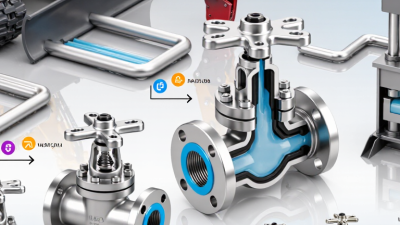
How to Choose the Right Hydraulic T Valve
-
Mastering the Selection Process for Best Hydraulic Pressure Valves in Global Sourcing